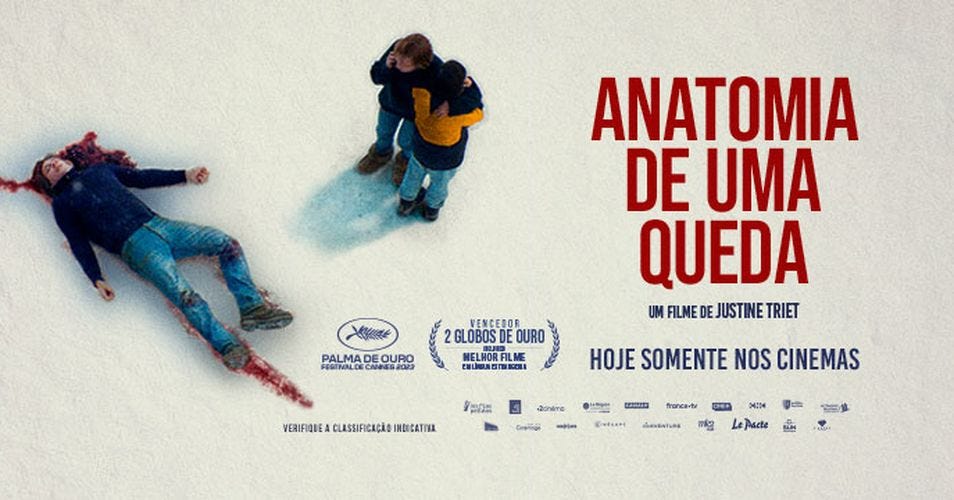
“Anatomia de Uma Queda”: vencedor da Palm D’Or (Cannes-2023), de Justine Triet, descontrói o viés másculo em thriller de ambiguidades
A film should be judged not only by the aesthetic and intellectual experience it provides during the screening, but also by its resonance afterwards: does it evanesce quickly from memory, or does it linger on the mind, continuing to stimulate it? This seems to entail that a film critic shouldn’t rush to publish a text after he has seen the movie, but should sleep on it, so to speak, and wait for the experience to settle in, digesting it and considering its resonating effects for a few days.
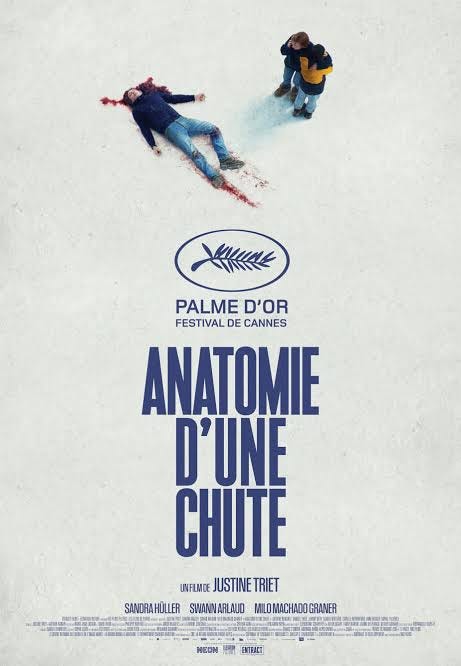
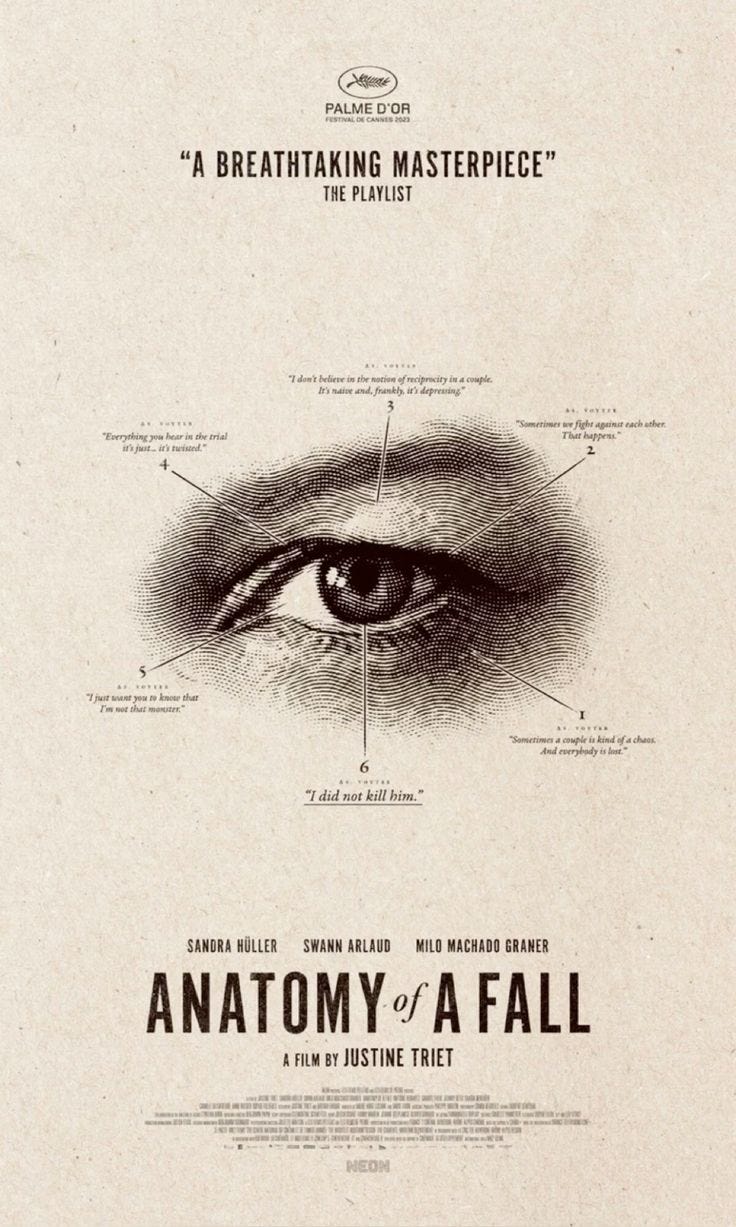
Perhaps the most noteworthy virtue of Justine Triet‘s thought-provoking <Anatomie D’un Chute> – winner of the 2023’s Palm D’Or in Cannes – lies in an intriguing ambiguity that the artist refuses to (dis)solve. The film ends without resolving all the riddles it has proposed. It doesn’t dispel the doubts it provokes. It estimulates discussions at the café or the pub afterwards, where different perspectives may be upheld, concerning essentially this crossroads of alternatives: did the woman actually kill her husband, or did he commit suicide?
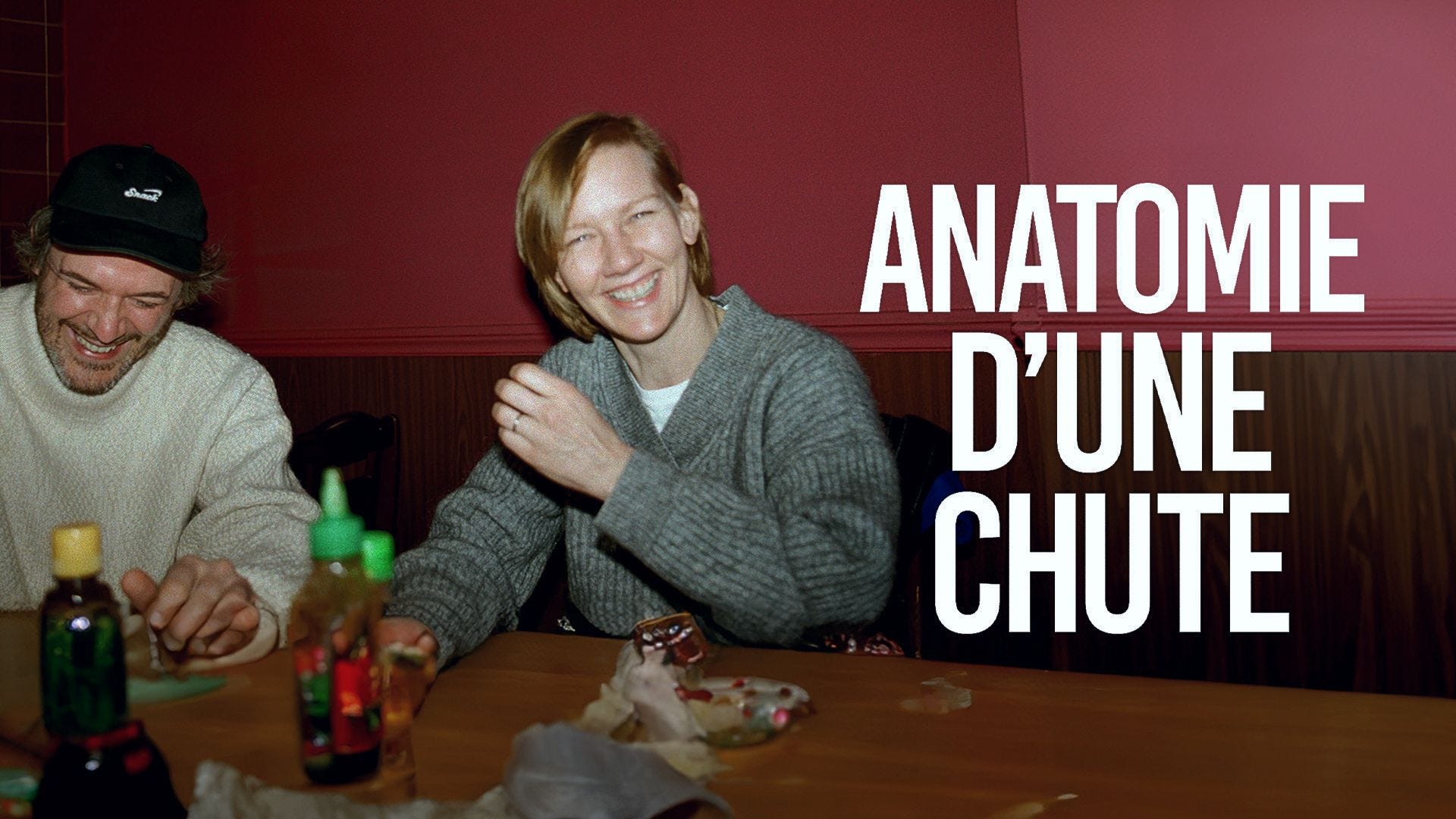
It’s an artistic technique of putting an end to an artwork without really ending it – as if the film chooses for its final phrase not a “.” or a “!” but a “…” or a “?” In other words, Triet has the delicacy and artistic dexterity to arrive at the end of a long journey (the playing time is 150 minutes) providing us with reasons for reticence, doubting and questioning. The spectator is then called upon the task of continuing the anatomy of this mysterious fall.
It’s also an aesthetic choice of political significance because it’s much more “democratic” – in the sense of allowing public discussion and inviting the spectator’s opinion about the matter – when you deliver a somewhat open-ended narrative than it would be if a resolution was imposed upon the viewers in a manner we could deem “authoritarian” (this is what happened, no discussions allowed!).
SPOILER ALERT
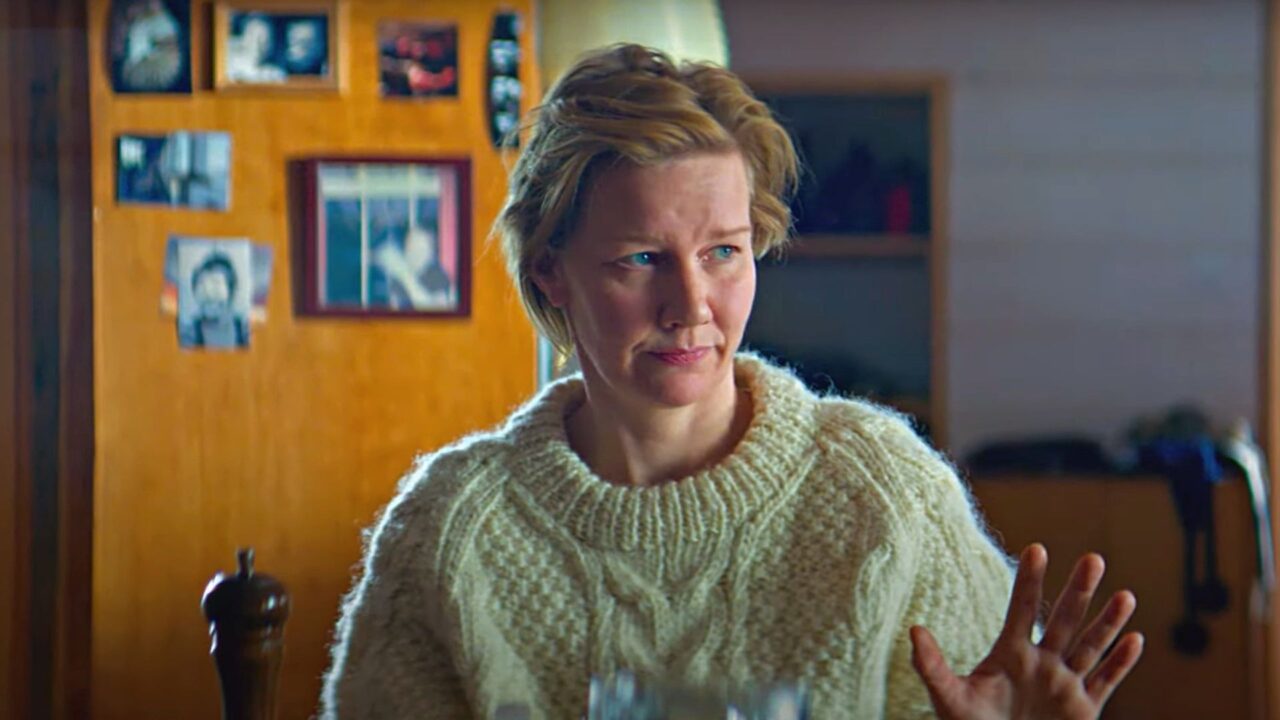
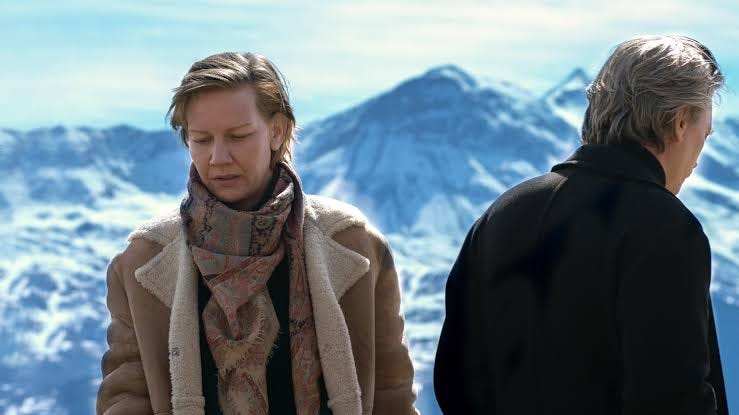
Of course the narrative leads to a sort of conclusion: when the trial is over, our protagonist Sandra Voyter (brilliantly played by Sandra Hüller) is set free. The jury didn’t find her guilty of the murder of her husband. Which means that the hypothesis of the man’s suicide won the stuggle of main hypotheses explaining the death of teacher and wanna-be-writer Samuel Theis.
But we are left to ponder: what if the child of the couple has made a decision to testify in such a manner as to save his mommy from prison? What if we’re dealing here with something similar to Pascal’s argument about God: the child, even tough he’s doubtful, jumps to the decision that his heart desires and, through wishful thinking, embraces the thesis that his mother is inoccent of murder?
Psychology-wise, it makes a lot of sense that a vulnerable, almost blinded and severely traumatized 11-year-old kid might choose to convince the court that his father commited suicide, even tough he doesn’t deem impossible that his mother actually stroke the fatal blow to the head of his father.
A recording from the day that preceded Samuel’s death surfaced on the trial and it was only then that the son could really witness (through sound) how violent and vicious the altercations of his parents could get. The REC also shows that verbal exchange of accusations and insults could in fact escalate to physical violence, broken wine glasses, slaps in the face and bone-breaking punches against the wall.
The remembrance of an episode concerning the dog Snoop (winner of a Prize for animal acting in Cannes!), which supposedly ate Samuel’s vomit after a suicide attempt, tends to construe the father’s personality as prone to self-destruction. But there’s no absolute truth here, the filmmaker leaves at least a fringe of the Door of Doubt open to us: yes, it’s possible she killed him in a sudden rage after he played on loop some annoyingly loud music on his mega-speakers while she was trying to concede an interview to an interesting, beautiful literature researcher.
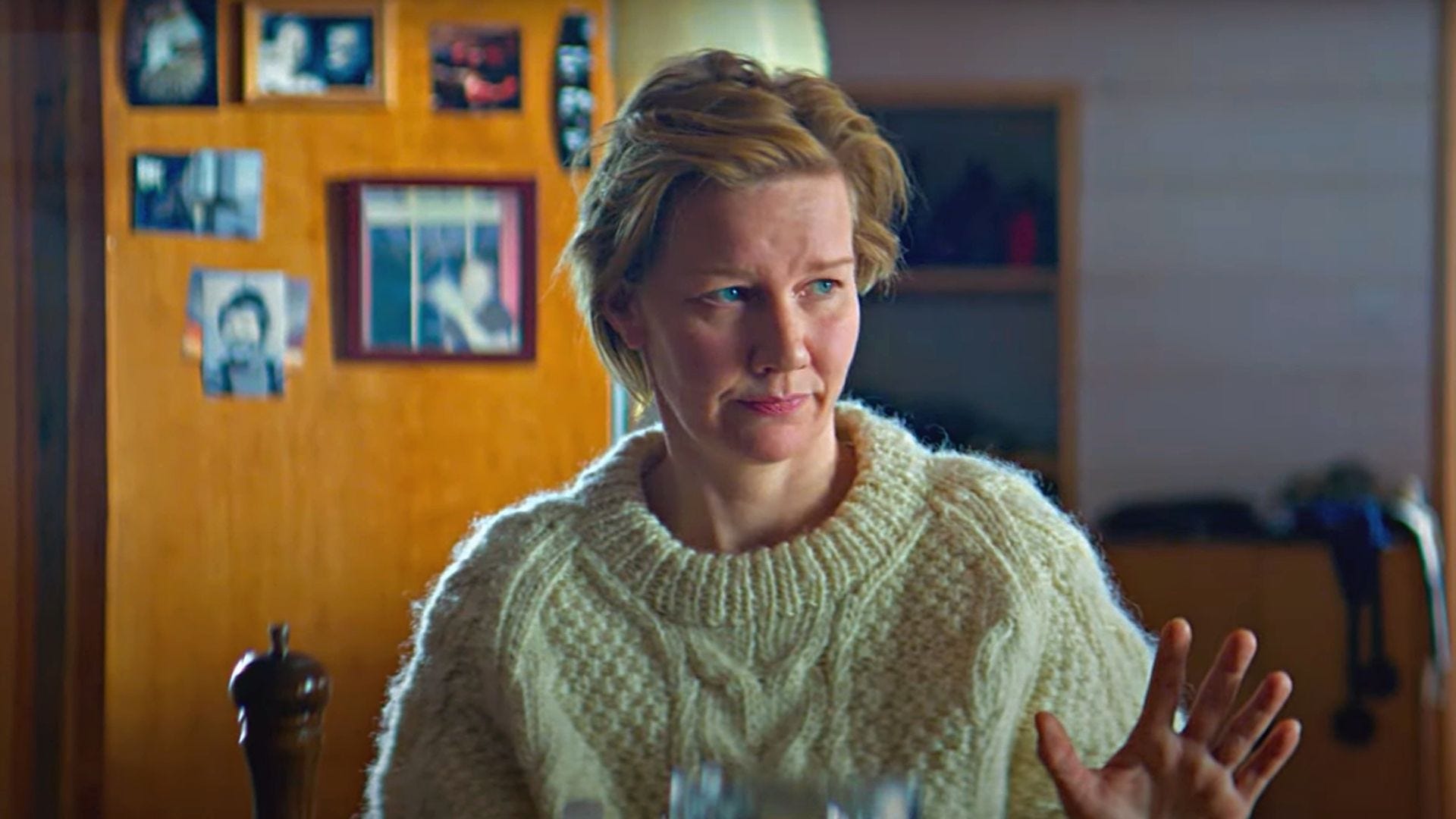
Another very intriguing matter here is self-fiction. The plot makes clear that Sandra is a sucessfull writer, with several books published, and that she draws from her own life experiences to write her novels – beggining with one about the death of her mother.
She’s also quoted on TV as saying she tries to invent some much upon this basic experience-grounded inspiration so as to make fiction kind of surpass biography. Henry Miller also did this. The husband, in contrast, seems to continuously fail at his own attempt to write novels. He perhaps feels overshadowed by her wife’s accomplishments. He abandons his novels halfway – and the good ideas he could actually get written down, he can’t lead to a finished and publishable work.
The film, then, deals with gender and sexuality in quite an interesting way. We’re aware that in societies ruled by “the patriarchs”, usually women are overburdened with domestic and child-bearing labour. Usually, it’s “the second sex” (to quote Beauvoir) the one who is justly denouncing a lack of time to engage in meaningful activities concerning artistic expression and intellectual endeavours.
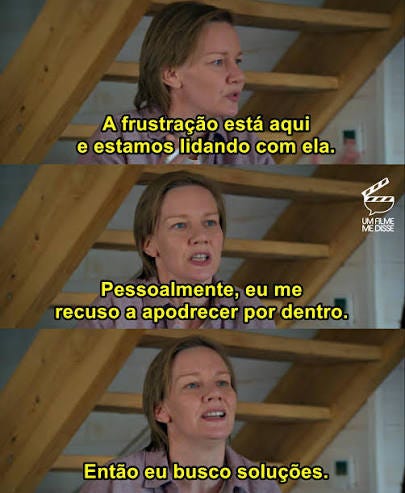
Here, this gender archetype is twisted and turned head over heels. It’s the man who feels he is being robbed of his time. It’s the man who feels frustrated, hurt in his pride because he feels as an underachiever in the field of literature.
The film also deals inteligently with the matters concerning trauma and resentment: when he was 4, the kid got involved in an accident – run over by a motorcycle, optic nerve permanently damaged, on a day that his father was responsible to pick him up at school and failed to do so.
Samuel is portrayed as someone tormented by fatherly guilt about this episode – and Sandra admits to court she resented him, and held him responsable, for the traumatizing event. This leads to the reasonabilty of the suicide thesis: he had a tremendous load of guilt in his psyche, he had tried to kill himself sometimes previously, he was a “project man” unable to carry his works-in-progress to conclusion etc.
The jury took its decision after hearing the kid’s tale: he and his daddy were driving to the vet with a sick dog, and daddy talks about the death of animals. Daddy says to him something like this: prepare yourself, my son, it will certainly help, because the death of creatures you love is unavoidable, you will have to learn to live without him etc. The kid, in court, interprets this as follows: daddy wasn’t talking about the dog but about himself. The hypothesis of suicide gains ground and wins the battle. A tale told by a kid is taken in as evidence. A jury is convinced also by emotion and not by logic only. But it doesn’t rule out as completely preposterous the opposite hypothesis.
This would be a very strange choice of suicide method, indeed: the window from which Samuel supposedly jumped was not that high and any rational human being, even one that is deranged by suicidal ideations, would ask himself: it this fall enough to kill me, or will it only screw me up pretty badly? Will I die or will I only jump to a worse life, with much more physical suffering due to broken bones and probably the constraints in movement of a paraplegic?
Jumping from that window would amost certainly fail to cause a death. It’s strange this is not brought up by the prosecutor on court – and it seems to be a small flaw of the script. If Samuel wanted to kill himself, wouldn’t he chose some more appropriate method? Is the plot suggesting that we had already tried and failed with the aspirines, and this explains why he decided to shift to another self-extinction method? Or are we to judge he wanted to make a statement through a theatrical act of almost-suicide, in the “cry for help” sort, aiming to get himself severely bruised?
The matter of bisexuality is also brought on here: Sandra admits, during the trial, that she had extra-marital affairs with other women. She admits that the relationship with her husband, especially after the incident that almost blinded their son, did put Eros in crisis. She admits she was sincere about her affairs for a while, but then began concealing them. In the day that preceded the fatal fall, the husband explodes in resentment, posing as a victim, as a husband who has been cheated upon and robbed of his time. But she stands her ground, defends her decisions, and in this film lesbofobia doesn’t dare to rear its ugly head that much, despite the prosecutor’s attempt to paint her as a mischevous traitor that made her husband terribly hurt and jealous.
The point of the film also seems to be this: this woman is not only judged as a murder-suspect, but all her actions as a sexual agent, as a writer, as a mother, are under judgement as well. The film deals with intimacy being brought to public scrutiny. It offers us acess to all the chaos and contradiction of a marriage – one might recall here some masterworks by Bergman, Woody Allen or John Cassavettes – and leaves us with lots of food for thought. When it ends, with scenes of bodily intimacy and comforting caresses between lawyer and client, and then mother and child, and then woman and dog, it also highlights the emotionality of the human condition, inextricable from the processes of Law when it deals with the so-called “crimes of passion”.
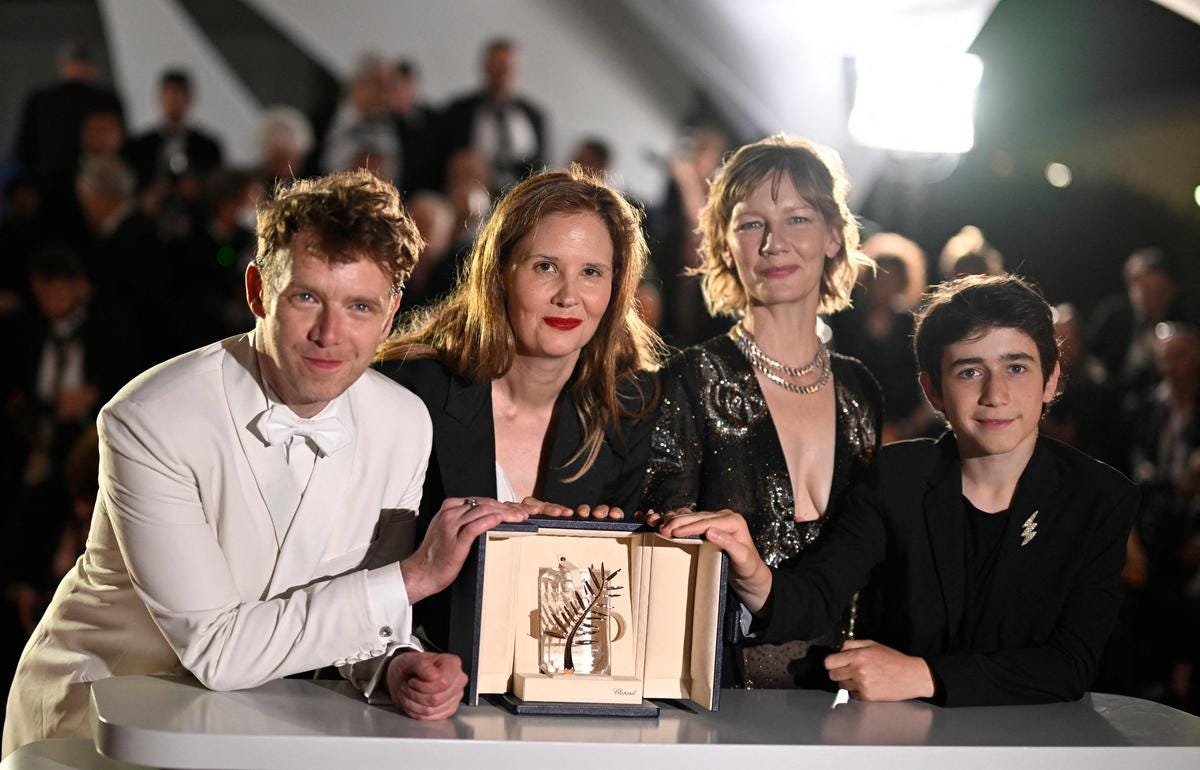
Male dominance of film production is an historical fact that we’re only beggining to confront, and this is another welcome phenomenon that comes along with Anatomy of a Fall’s resounding secular consecration. This is the 3rd time in its history spanning 76 editions that a Palm D’Or is prized upon a woman – prior to Justine Triet (which received the golden honour from Jane Fonda’s hands and discoursed against Macron’s govt repression of recent protests in France), only Julia Ducorneau (“Titane”, 2021) and Jane Campion (“The Piano”, 1993) had managed the feat. The jury was presided by Ruben Ostlund, 2-times winner of the Palm D’Or.
A similar case could be made about the USA’s Academy Awards: it began delivering its awards in 1929 and woman-winners of Best Director can be quickly listed: K. Bigelow (The Hurt Locker), Chloé Zhao (Nomadland) and Campion (Power of the Dog), all of them from 2010 onwards.
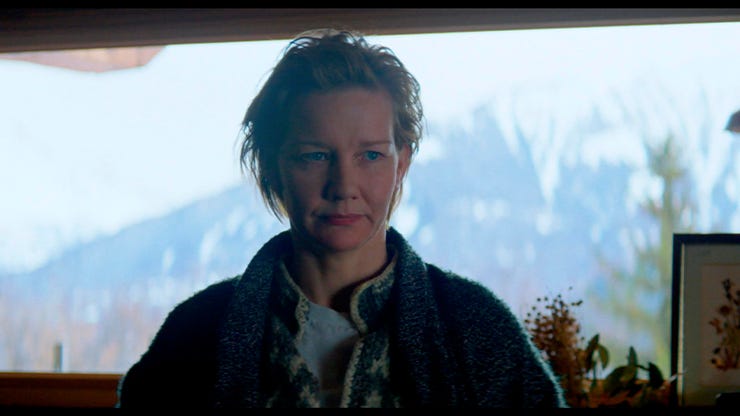
Those are symptoms of the still on-going hegemony of “the patriarchs” (cleverly denounced in Angela Saini’s books) in the field of filmmaking. Anatomy of a Fall reveals the cracks in masculinity all around its very well-construed plot and offers us a career-defining performance by Sandra Hüller as a very complex and bruised woman, doing the best she can to sail through the tempest of chaotic relantionships and the onslaughts of contingent tragedies.
Written by Triet and Arthur Harari, the film also features not-to-be-forgotten performances of a kid and a dog, which also adds up to de-center the adult male from his long-held position as protagonist. Vulnerability, here, gets more evenly distributed. And a huge shadow of doubt looms over the film like a gray poetic cloud that bathes this work-of-art in a strange light that adds to its continued resonance.
A point could also be made that films directed by women such as Triet, Courneau, Despentes and Sciamma (to mention only the frenchies) have been busy in de-constructing masculinity and trying to brush it away to the margins – so other themes can come to the foreground, other relations can be protagonists, thus queering up the screen. It will take indeed much more artworks, efforts and cultural renovation for the male gaze to finally fall from grace and come crasing down from his long held pedestal.
Eduardo Carli de Moraes
Amsterdam, October 19th 2023
Seen at the Rialto / De Pijp
Permanent Link: https://acasadevidro.com/anatomyofafall/
The male gaze falls from grace: concerning “Anatomy of a Fall” (Justine Triet), winner of the @cannes Palm D’Or 2023: Read it @acasadevidro – https://t.co/9vTYt9zHVU pic.twitter.com/KpAxGEATya
— A Casa de Vidro (@acasadevidro) October 19, 2023
YOU MIGHT ALSO LIKE: The Guardian – IMDB.
Visualizações da publicação: 3.741
EM PORTUGUÊS
Um filme deve ser julgado não apenas pela experiência estética e intelectual que proporciona durante a exibição, mas também pela sua ressonância posterior: ele se desvanece rapidamente da memória ou permanece na mente, continuando a estimulá-la? Isso parece implicar que um crítico de cinema não deve se apressar em publicar um texto logo após assistir ao filme, mas sim refletir sobre ele , por assim dizer, e esperar que a experiência se assente, digerindo-a e considerando seus efeitos duradouros por alguns dias.
Talvez a virtude mais notável de Anatomie D’un Chute , de Justine Triet – vencedor da Palma de Ouro em Cannes em 2023 – resida numa intrigante ambiguidade que a artista se recusa a dissolver. O filme termina sem resolver todos os enigmas que propôs. Não dissipa as dúvidas que provoca. Estimula discussões no café ou no bar depois da exibição, onde diferentes perspectivas podem ser defendidas, essencialmente sobre esta encruzilhada de alternativas: a mulher realmente matou o marido ou ele cometeu suicídio?
Trata-se de uma técnica artística de pôr fim a uma obra de arte sem realmente a terminar – como se o filme escolhesse para sua frase final não um ponto final ou um ponto de exclamação, mas sim uma vírgula ou um ponto de interrogação. Em outras palavras, Triet possui a delicadeza e a destreza artística para chegar ao fim de uma longa jornada (a duração é de 150 minutos) oferecendo-nos motivos para hesitação, dúvida e questionamento. O espectador é então convidado a continuar a análise dessa queda misteriosa.
É também uma escolha estética de significado político, pois é muito mais “democrática” – no sentido de permitir a discussão pública e convidar a opinião do espectador sobre o assunto – quando se apresenta uma narrativa um tanto aberta, do que seria se uma resolução fosse imposta aos espectadores de uma maneira que pudéssemos considerar “autoritária” (foi o que aconteceu, nenhuma discussão foi permitida!).
ALERTA DE SPOILER
Naturalmente, a narrativa conduz a uma espécie de conclusão: quando o julgamento termina, nossa protagonista, Sandra Voyter (brilhantemente interpretada por Sandra Hüller), é libertada. O júri não a considerou culpada do assassinato do marido. O que significa que a hipótese do suicídio do homem venceu a disputa entre as principais hipóteses que explicavam a morte do professor e aspirante a escritor Samuel Theis.
Mas ficamos a refletir: e se o filho do casal tiver decidido testemunhar de forma a salvar a mãe da prisão? E se estivermos a lidar com algo semelhante ao argumento de Pascal sobre Deus: a criança, mesmo com dúvidas, toma a decisão que o seu coração deseja e, através de um pensamento ilusório, abraça a tese de que a sua mãe é inocente do assassinato?
Do ponto de vista psicológico, faz muito sentido que uma criança vulnerável, quase cega e gravemente traumatizada de 11 anos opte por convencer o tribunal de que seu pai cometeu suicídio, mesmo que não considere impossível que sua mãe tenha desferido o golpe fatal na cabeça dele.
Uma gravação do dia anterior à morte de Samuel veio à tona durante o julgamento, e foi somente então que o filho pôde realmente testemunhar (através do áudio) o quão violentas e cruéis as altercações de seus pais podiam se tornar. A REC também mostra que a troca verbal de acusações e insultos podia, de fato, escalar para violência física, taças de vinho quebradas, tapas no rosto e socos que chegavam a fraturar ossos contra a parede.
A lembrança de um episódio envolvendo o cachorro Snoop (vencedor de um prêmio de atuação animal em Cannes!), que supostamente comeu o vômito de Samuel após uma tentativa de suicídio , tende a interpretar a personalidade do pai como propensa à autodestruição. Mas não há verdade absoluta aqui; o cineasta deixa pelo menos uma brecha na Porta da Dúvida : sim, é possível que ela o tenha matado num acesso repentino de raiva depois que ele tocou repetidamente uma música irritantemente alta em suas caixas de som enormes enquanto ela tentava conceder uma entrevista a uma pesquisadora de literatura interessante e bonita.
Outro ponto muito intrigante aqui é a autoficção . A trama deixa claro que Sandra é uma escritora de sucesso, com vários livros publicados, e que ela se inspira em suas próprias experiências de vida para escrever seus romances – começando com um sobre a morte de sua mãe.
Ela também foi citada na TV dizendo que tenta inventar o máximo possível a partir dessa inspiração básica, fundamentada na experiência, para que a ficção, de certa forma, supere a biografia. Henry Miller também fez isso. O marido, em contraste, parece fracassar continuamente em suas próprias tentativas de escrever romances. Talvez ele se sinta ofuscado pelas realizações da esposa. Ele abandona seus romances na metade do caminho – e as boas ideias que ele poderia de fato colocar no papel não conseguem se transformar em uma obra finalizada e publicável.
O filme, portanto, aborda gênero e sexualidade de uma maneira bastante interessante. Sabemos que, em sociedades governadas por “patriarcas”, as mulheres geralmente são sobrecarregadas com o trabalho doméstico e a criação dos filhos. Normalmente, é o “segundo sexo” (para citar Beauvoir) que denuncia, com razão, a falta de tempo para se dedicar a atividades significativas relacionadas à expressão artística e aos esforços intelectuais.
Aqui, esse arquétipo de gênero é subvertido e completamente transformado. É o homem que sente que seu tempo está sendo roubado. É o homem que se sente frustrado , com o orgulho ferido por se sentir um fracasso no campo da literatura.
O filme também aborda de forma inteligente questões relacionadas a trauma e ressentimento: quando tinha 4 anos, o garoto se envolveu em um acidente – foi atropelado por uma motocicleta, teve o nervo óptico permanentemente danificado, no dia em que seu pai era responsável por buscá-lo na escola e não o fez.
Samuel é retratado como alguém atormentado pela culpa paterna em relação a esse episódio – e Sandra admite em juízo que o ressentia e o responsabilizava pelo evento traumático. Isso justifica a tese do suicídio : ele carregava um enorme fardo de culpa em sua psique , já havia tentado se matar outras vezes, era um “homem de projetos” incapaz de concluir seus trabalhos em andamento, etc.
O júri tomou sua decisão após ouvir o relato do garoto: ele e o pai estavam levando um cachorro doente ao veterinário, e o pai falou sobre a morte de animais. O pai disse algo como: prepare-se, meu filho, isso certamente ajudará, porque a morte das criaturas que você ama é inevitável, você terá que aprender a viver sem ele etc. O garoto, no tribunal, interpretou isso da seguinte forma: o pai não estava falando do cachorro, mas de si mesmo. A hipótese de suicídio ganhou força e venceu a batalha. Um relato contado por uma criança foi aceito como prova. O júri se convenceu também pela emoção e não apenas pela lógica . Mas não descartou como completamente absurda a hipótese oposta.
Essa seria uma escolha de método de suicídio muito estranha , de fato: a janela da qual Samuel supostamente pulou não era tão alta e qualquer ser humano racional, mesmo alguém perturbado por ideias suicidas, se perguntaria: essa queda é suficiente para me matar, ou só vai me deixar muito ferido? Vou morrer ou apenas pular para uma vida pior, com muito mais sofrimento físico devido a ossos quebrados e provavelmente às limitações de movimento de um paraplégico?
Saltar daquela janela quase certamente não causaria morte. É estranho que o promotor não mencione isso no tribunal – e parece ser uma pequena falha no roteiro. Se Samuel quisesse se matar, não teria escolhido um método mais apropriado? Será que a trama sugere que ele já havia tentado e falhado com a aspirina, e isso explica por que decidiu recorrer a outro método de suicídio? Ou devemos concluir que ele queria fazer uma declaração através de um ato teatral de quase-suicídio, um “pedido de socorro”, com o objetivo de se machucar gravemente?
A questão da bissexualidade também é abordada aqui: Sandra admite, durante o julgamento, que teve casos extraconjugais com outras mulheres. Ela admite que o relacionamento com o marido, especialmente após o incidente que quase cegou o filho deles, colocou Eros em crise. Ela admite que foi sincera sobre seus casos por um tempo, mas depois começou a escondê-los. No dia que antecedeu a queda fatal, o marido explode em ressentimento, se fazendo de vítima, de marido traído e roubado de seu tempo. Mas ela se mantém firme, defende suas decisões, e neste filme a lesbofobia não se atreve a mostrar sua face feia , apesar da tentativa do promotor de pintá-la como uma traidora maliciosa que magoou e deixou o marido terrivelmente ciumento.
O objetivo do filme parece ser este: esta mulher não é apenas julgada como suspeita de assassinato, mas todas as suas ações como agente sexual, escritora e mãe também são alvo de julgamento . O filme aborda a intimidade sendo exposta ao escrutínio público . Ele nos oferece acesso a todo o caos e contradição de um casamento – podemos lembrar aqui algumas obras-primas de Bergman, Woody Allen ou John Cassavetes – e nos deixa com muito em que pensar. Ao terminar, com cenas de intimidade física e carícias reconfortantes entre advogado e cliente, depois mãe e filho, e depois mulher e cachorro, o filme também destaca a emotividade da condição humana, indissociável dos processos legais quando se trata dos chamados “crimes passionais”.
O domínio masculino na produção cinematográfica é um fato histórico que estamos apenas começando a confrontar, e este é mais um fenômeno bem-vindo que acompanha a retumbante consagração secular de Anatomia de uma Queda . Esta é a terceira vez em sua história, que abrange 76 edições, que a Palma de Ouro é concedida a uma mulher – antes de Justine Triet (que recebeu a honraria das mãos de Jane Fonda por seu filme que discursava contra a repressão do governo Macron aos recentes protestos na França), apenas Julia Ducorneau (“Titane”, 2021) e Jane Campion (“O Piano”, 1993) haviam alcançado tal feito. O júri foi presidido por Ruben Östlund, duas vezes vencedor da Palma de Ouro.
Um caso semelhante poderia ser feito em relação ao Oscar dos EUA : a premiação começou em 1929 e as vencedoras do prêmio de Melhor Direção podem ser rapidamente listadas: Kristen Bigelow ( Guerra ao Terror) , Chloé Zhao ( Nômade) e Jennifer Campion ( O Poder do Cão) , todas a partir de 2010.
Esses são sintomas da hegemonia ainda vigente dos “patriarcas” (denunciada com perspicácia nos livros de Angela Saini ) no campo do cinema. Anatomia de uma Queda revela as fissuras da masculinidade em meio a uma trama muito bem construída e nos oferece uma atuação marcante de Sandra Hüller como uma mulher complexa e ferida, que faz o possível para navegar pela tempestade de relacionamentos caóticos e pelos golpes de tragédias contingentes.
Escrito por Triet e Arthur Harari, o filme também apresenta atuações memoráveis de uma criança e de um cachorro, o que contribui para descentralizar o homem adulto de sua posição habitual de protagonista. A vulnerabilidade, aqui, é distribuída de forma mais equilibrada. E uma enorme sombra de dúvida paira sobre o filme como uma nuvem poética cinzenta que banha esta obra de arte em uma luz peculiar, o que aumenta sua ressonância contínua.
Poderíamos também argumentar que filmes dirigidos por mulheres como Triet, Courneau, Despentes e Sciamma (para citar apenas as francesas) têm se dedicado a desconstruir a masculinidade e a relegá-la às margens – para que outros temas possam vir à tona, outras relações possam ser protagonistas, subvertendo assim a perspectiva queer na tela. De fato, serão necessárias muito mais obras de arte, esforços e renovação cultural para que o olhar masculino finalmente caia em desgraça e desça de seu pedestal de longa data.
Eduardo Carli de Moraes
Amsterdã, 19 de outubro de 2023
Visto no Rialto / De Pijp
YOU MIGHT ALSO LIKE: The Guardian – IMDB.
Publicado em: 22/10/23
De autoria: Eduardo Carli de Moraes educarlidemoraes