“O ANTROPOCENO ENTRA EM CENA: O CINEMA NA ÉPOCA GEOLÓGICA DOS HUMANOS” (2026, 305pgs) – Defesa da Tese de Doutorado de Eduardo Carli de Moraes
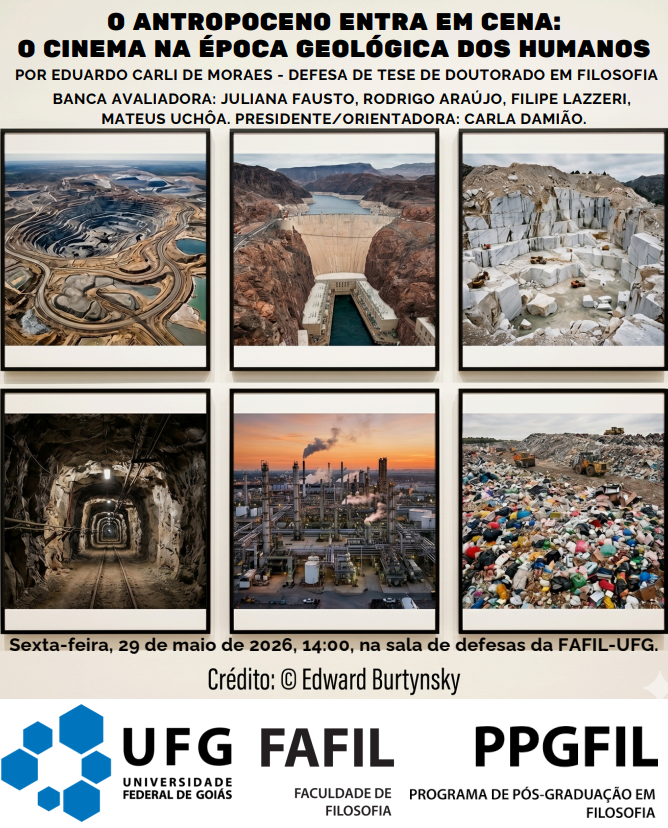
O ANTROPOCENO ENTRA EM CENA: O CINEMA NA ÉPOCA GEOLÓGICA DOS HUMANOS, por Eduardo Carli de Moraes. Linha de pesquisa: Estética e Filosofia da Arte.
BANCA EXAMINADORA: Juliana Fausto, Rodrigo Oliveira de Araújo, Filipe Lazzeri Vieira, Mateus Uchôa. Presidente/Orientadora: Carla Milani Damião.
A Faculdade de Filosofia (FAFIL) da Universidade Federal de Goiás (UFG), através de seu Programa de Pós-Graduação em Filosofia (PPGFIL), convida para esta defesa pública de tese de doutorado, a ocorrer na Sexta-feira, 29 de Maio, às 14h, na Sala de Defesas da FAFIL, prédio de Humanidades, câmpus Samambaia.
RESUMO: O Antropoceno tornou-se conceito dos mais debatidos no mundo contemporâneo. Neste trabalho no campo da Estética e Filosofia da Arte procuramos abordar a noção de “época geológica dos humanos” em suas relações com o cinema, com foco sobretudo em documentários e obras de ficção especulativa que tematizam problemáticas sócio-ambientais emergentes e crises contemporâneas – sobretudo as mudanças climáticas antropogênicas, a sexta extinção da biodiversidade do planeta e a proliferação da ameaça nuclear. A especulação sobre o porvir da vida – não apenas humana, mas em sua miríade de manifestações – é afirmado como um dos temas mais pertinentes e imprescindíveis para a filosofia, marcando também fortemente a criação artística sobre a qual nos debruçamos. Nossa pesquisa buscou compreender filosoficamente a produção cinematográfica relevante neste contexto em que a humanidade passa a ser reconhecida como uma força geofísica, avaliação tanto dos cientistas que estudam as mutações ecológicas na Terra quanto de várias disciplinas no campo das humanidades que se interessam por aspectos ético-políticos e artístico-culturais da nova condição humana, com a emergência de um conceito expandido de política e de ética – a cosmopolitica e a ética inter-espécies. Nosso intento é produzir crítica cultural e reflexões filosóficas pertinentes acerca de obras de arte do campo audiovisual que sejam importantes para a decifração dos dilemas da humanidade no Antropoceno, utilizando como algumas das principais chaves conceituais a dialética entre utopia e distopia, a Hipótese Gaia (Lovelock/Margulis e suas repercussões) e os ideários constituídos no âmbito da ecologia decolonial (Ferdinand), do catastrofismo esclarecido (Dupuy) e do materialismo histórico-dialético tal como explorado por Walter Benjamin.
Palavras-chave: Antropoceno; Cinema; Filosofia; Distopias; Cosmopolítica.
A DEFESA
A APRESENTAÇÃO INAUGURAL
Beleza, gente. Boa tarde. Agradeço demais a presença de todo o público aqui na UFG na tarde de hoje. Quero também dar minha saudação inicial à professora Carla Damião, minha orientadora que preside essa banca, e também a nossa banca avaliadora: professor Felipe Lazelli, aqui presente, e os professores Juliana Fausto, Rodrigo Araújo e Matheus Uchoa. Então vou proceder a uma apresentação de 15 minutos da tese. Depois seguiremos para as arguições. Então vamos lá.
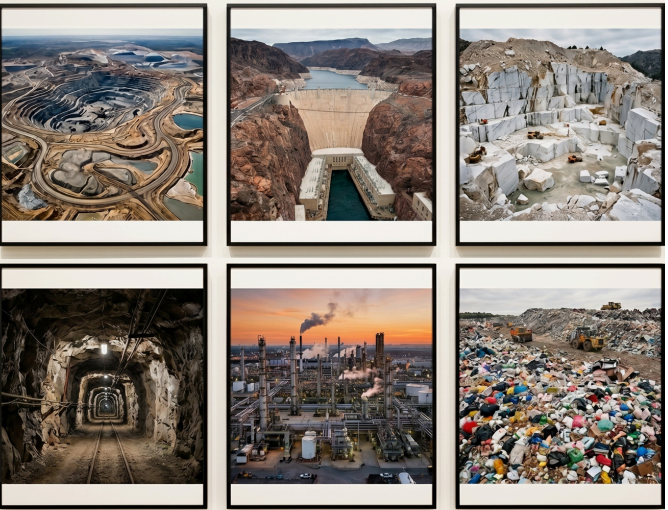
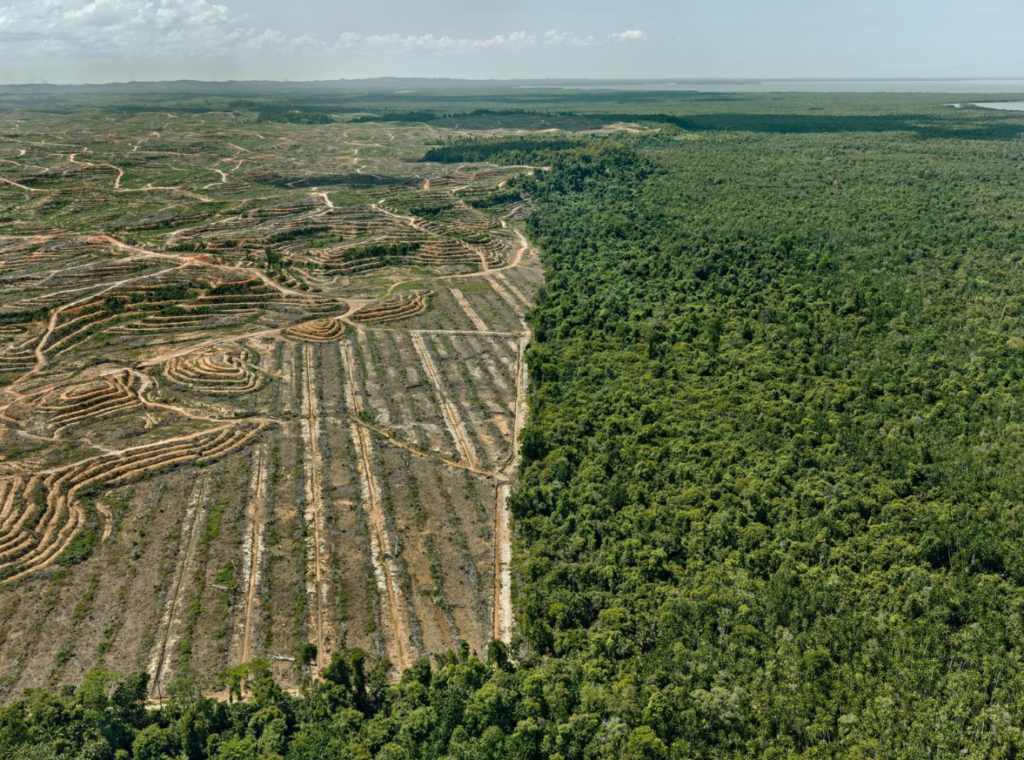
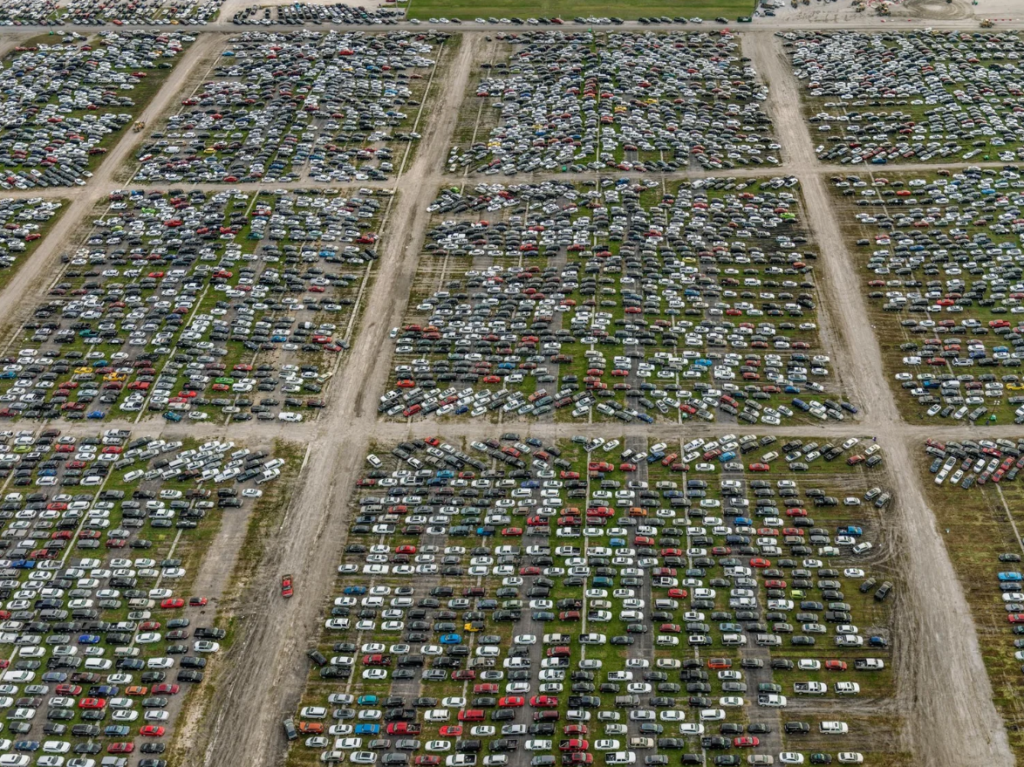
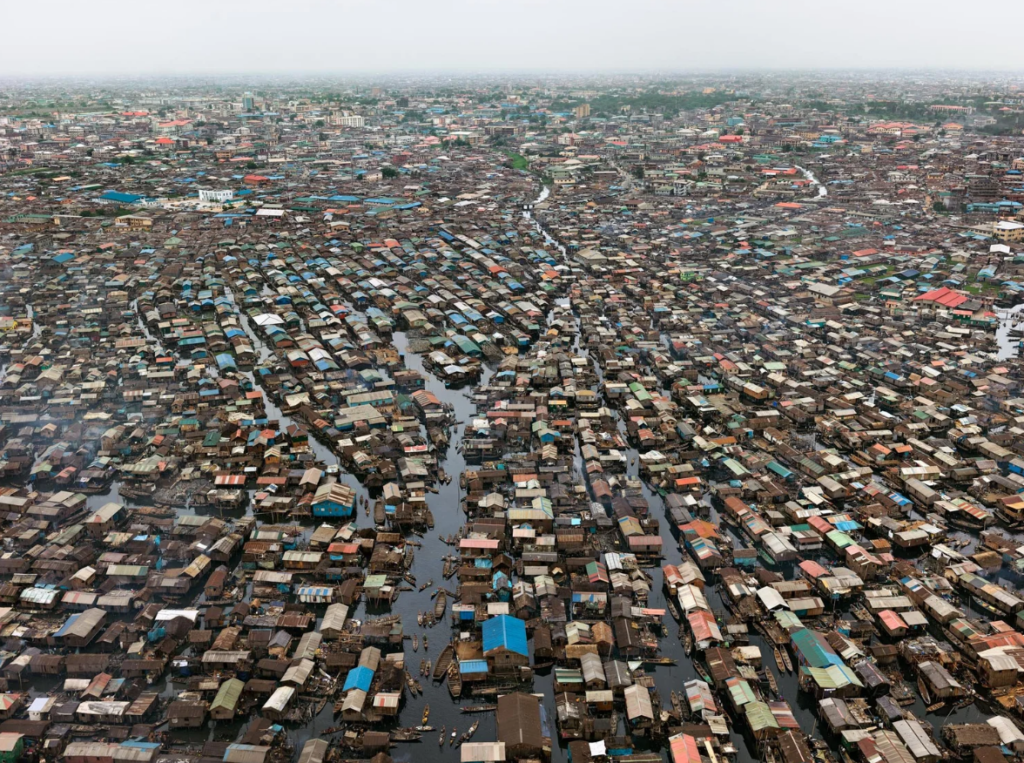
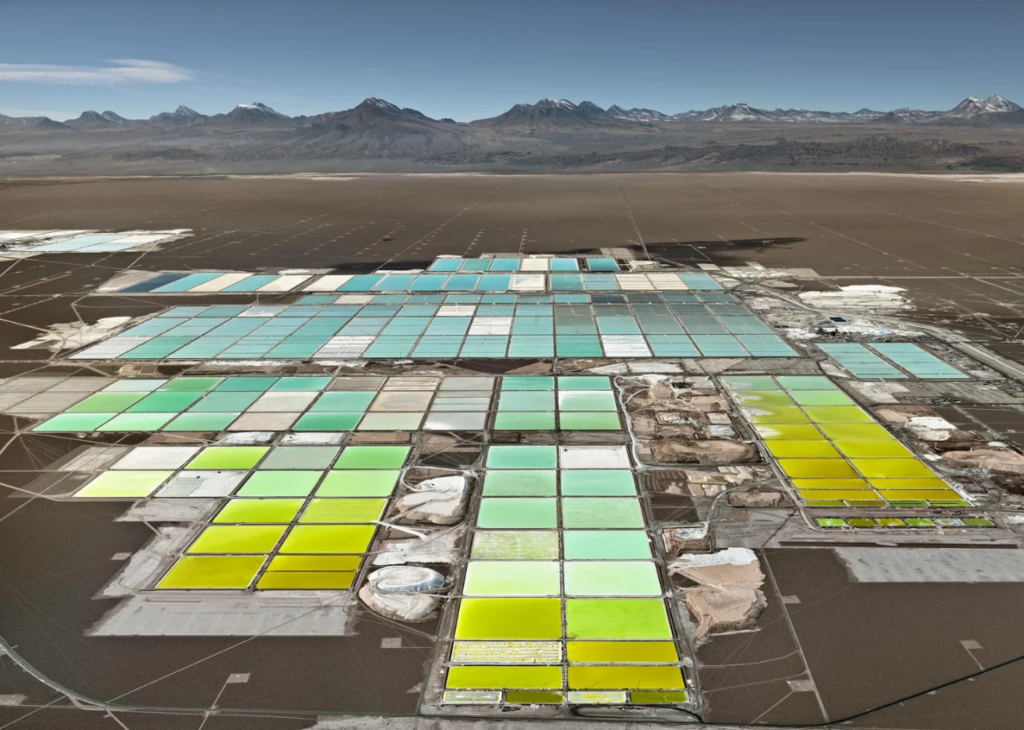
O Antropoceno entra em cena: o cinema na época geológica dos humanos. Eu começo por evocar algumas fotos de grande impacto do fotógrafo e documentarista Burtynski para introduzir o nosso tema. O Antropoceno se tornou um dos conceitos mais debatidos no mundo contemporâneo. Nesse trabalho, no campo da filosofia da arte, procuramos abordar a noção da época geológica dos humanos em suas relações com o cinema, com foco sobretudo em documentários e obras de ficção especulativa. São filmes que tematizam problemáticas socioambientais emergentes na policrise atual. Há exemplos das catástrofes climáticas antropogênicas, a sexta extinção da biodiversidade do planeta e a proliferação da ameaça nuclear.
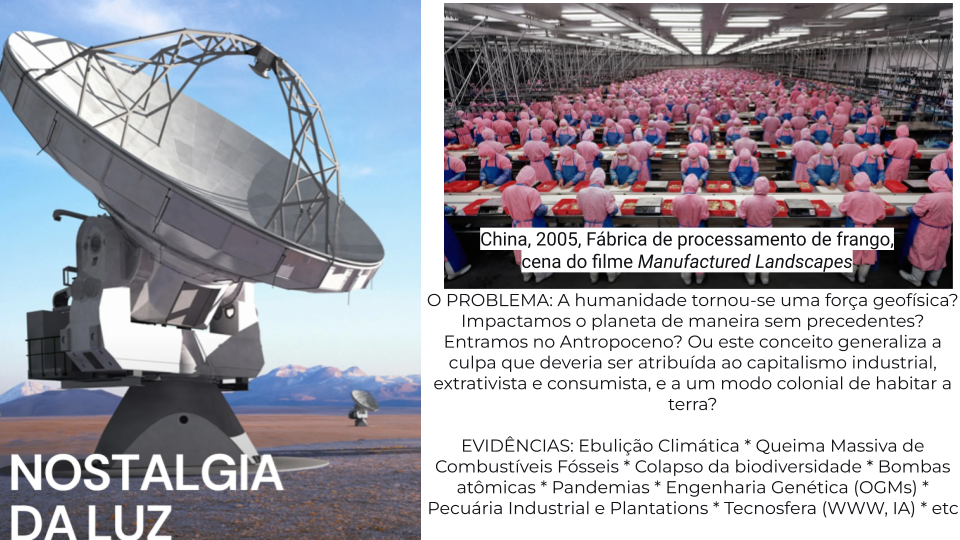
O Antropoceno entra em cena. O problema: a humanidade se tornou uma força geofísica. Impactamos o planeta de maneira sem precedentes. Entramos no Antropoceno. Ou este conceito generaliza a culpa que deveria ser atribuída ao capitalismo industrial, extrativista e consumista e a um modo colonial de habitar a terra. As evidências são muitas: ebulição climática, queima massiva de combustíveis fósseis, colapso de biodiversidade, bombas atômicas, pandemias, engenharia genética, pecuária industrial, plantations, e toda a tecnosfera, incluindo a internet e as IAs.
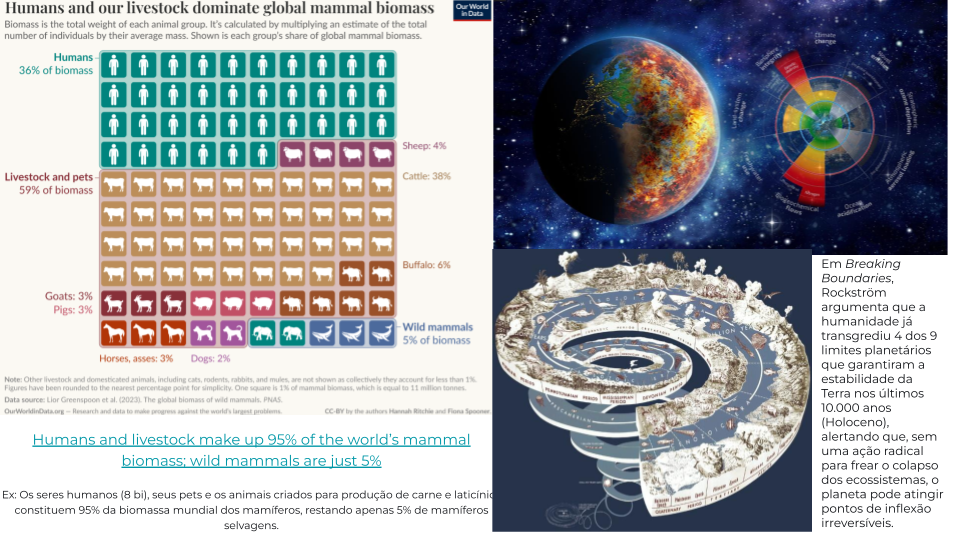
Um exemplo: os seres humanos – nós já somos 8 bilhões – somados aos nossos pets e aos animais criados para a produção de carne e laticínios constituem hoje 95% da biomassa mundial dos mamíferos, restando apenas 5% de mamíferos selvagens. Em um filme como Breaking Boundaries, Johann Rockström argumenta que a humanidade já transgrediu 4 dos 9 limites planetários que garantiram a estabilidade na Terra nesses últimos 10 mil anos do Holoceno, alertando que sem uma ação radical para frear o colapso dos ecossistemas o planeta pode atingir pontos de inflexão irreversíveis.
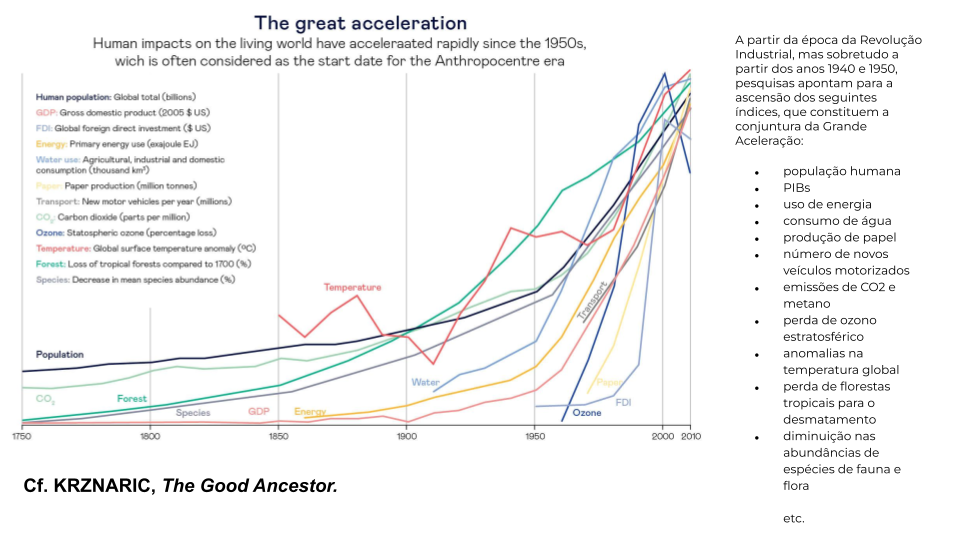
Este gráfico é uma síntese da Grande Aceleração, um fenômeno que acontece a partir dos anos 40 e 50, onde nós temos a explosão de vários índices: população humana, PIBs, uso de energia, consumo de água, produção de papel, número de novos veículos motorizados, emissões de CO2 e metano, perda de ozônio estratosférico, anomalias na temperatura global, perda de florestas tropicais para o desmatamento e diminuição nas abundâncias de espécies de fauna e flora – todos esses índices em uma ascensão vertiginosa a partir dos anos 40.
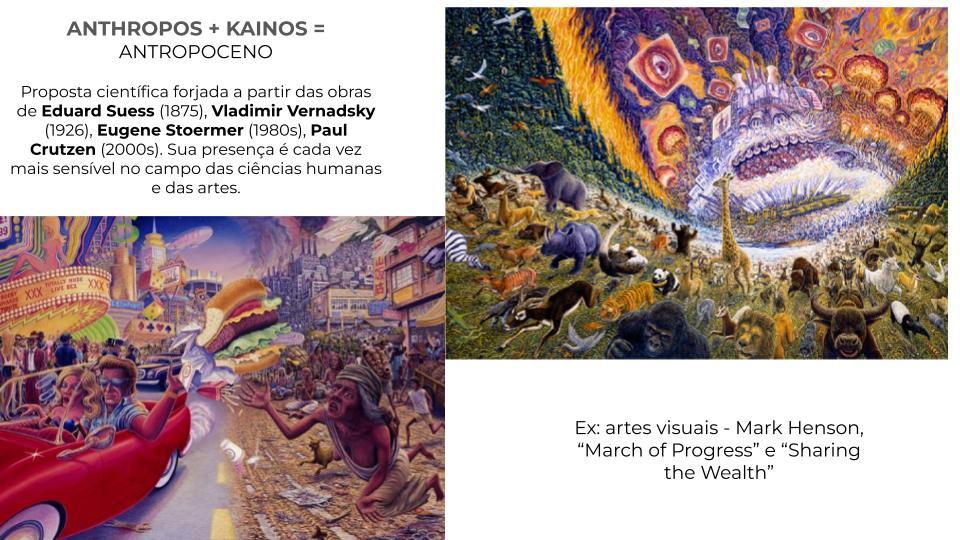
Com a soma de dois termos em grego – anthropos mais kainos – surge então a proposta do Antropoceno a partir da ciência, da geologia, da climatologia, entre outros, baseando-se em pesquisas de figuras como Suez, Vernadsky, Stormer e Crutzen. A presença do Antropoceno é cada vez mais sensível no campo das ciências humanas e também das artes. Trouxe aqui dois exemplos das artes visuais, como Mark Hanson: A Marcha do Progresso e Dividindo a Riqueza, no nome das suas obras.
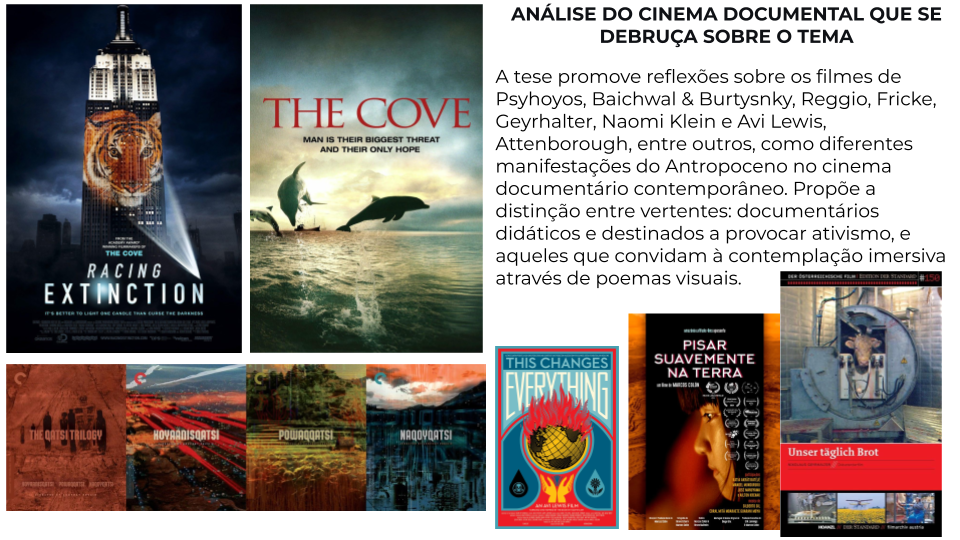
Nessa tese, começo por fazer uma análise do cinema documental que se debruça sobre esse tema. São filmes de cineastas como Psy Hoyos, Jennifer Baichwal, Hugo Chinsky, Godfrey Reggio, Ron Fricke, Gere Wouter, Naomi Klein, Abby Lewis e Wattenborough, com manifestações do Antropoceno no cinema documentário contemporâneo. Eu proponho a distinção entre algumas vertentes: por um lado os documentários que são didáticos, aqueles que são destinados a provocar o ativismo; e, por outro, aqueles que convidam a uma contemplação imersiva dessa conjuntura através de poemas visuais. Então aqui estão algumas das obras que foram analisadas, inclusive a trilogia de Jennifer Baichwal e Burtynsky.
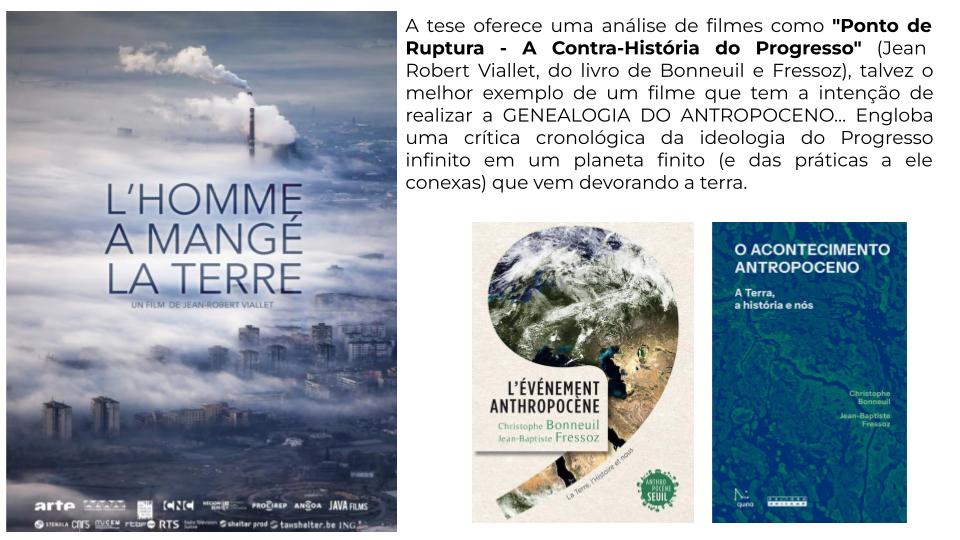
Um desses documentários é Ponto de Ruptura, ou Contra a História do Progresso, filme francês de Jean-Albert Vialet, baseado em um livro muito importante para o acontecimento Antropoceno: A Terra, a História e Nós, de Bonneuil e Fressoz. Um filme que tem a intenção de realizar a genealogia do Antropoceno, englobando uma crítica cronológica da ideologia do progresso infinito em um planeta finito – que vem devorando a Terra.
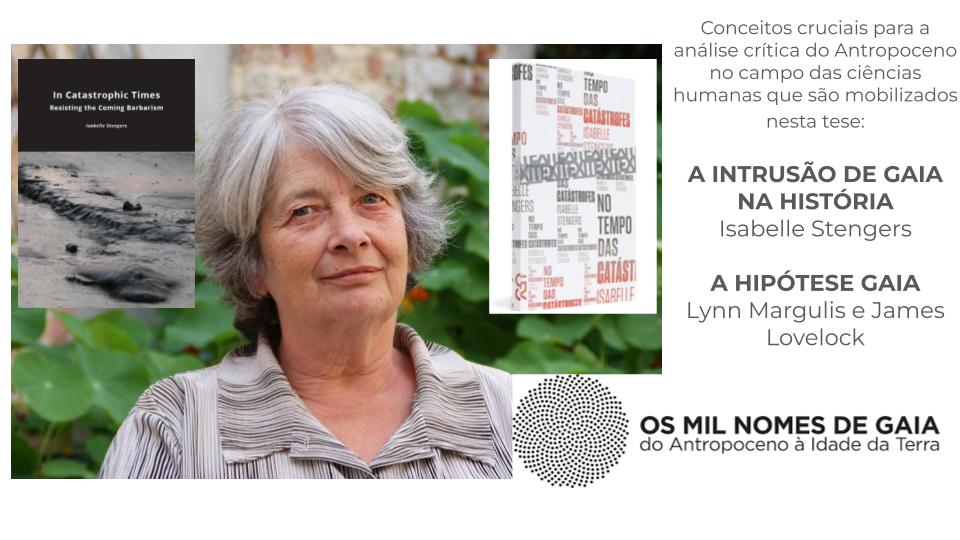
Trago agora alguns dos conceitos cruciais para a análise crítica do Antropoceno no campo das ciências humanas que são mobilizados nessa tese. A começar pela “intrusão de Gaia na história”, proposta por Isabelle Stengers, e também a própria hipótese Gaia de Lynn Margulis e James Lovelock – ideias que foram intensamente debatidas num congresso que também marcou história aqui no nosso país: “Os mil nomes de Gaia: do Antropoceno à idade da Terra”, que aconteceu no Rio de Janeiro há alguns anos atrás e que foi realmente uma grande inspiração também para a minha pesquisa.
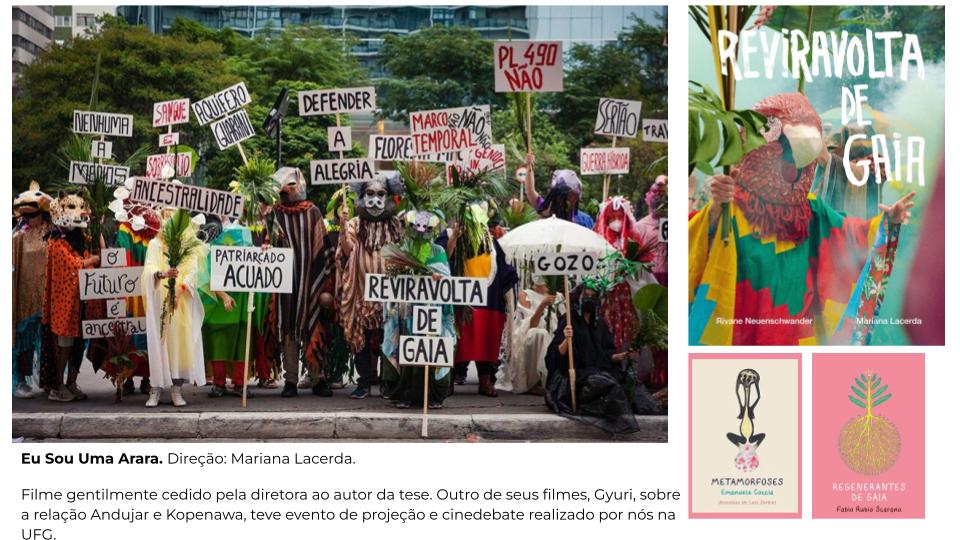
Nesse contexto, faço a análise de um filme brasileiro chamado Eu Sou Uma Arara, de Mariana Lacerda e Ivan Noshwander, que também dialoga com o livro de fotografias e ensaios Reviravolta de Gaia, retrato de um movimento social ecocrítico que tomou as ruas de São Paulo sobretudo durante a pandemia. E tento enriquecer esse debate com as obras Metamorfoses do Cótia e Regenerantes de Gaia de Iscarano. Aproveito também para deixar a minha gratidão à própria Mariana Lacerda, com quem eu tive uma correspondência e que gentilmente cedeu esse filme; e que, no período de doutoramento, o outro filme dela, Juri, foi lançado aqui por nós na UFG – que trata das relações entre a fotógrafa Claudia Andujar e o xamã Yamami da Yanomami. Então, muito obrigado à Mariana Lacerda por ter aceitado, de algum modo, colaborar com essa tese.
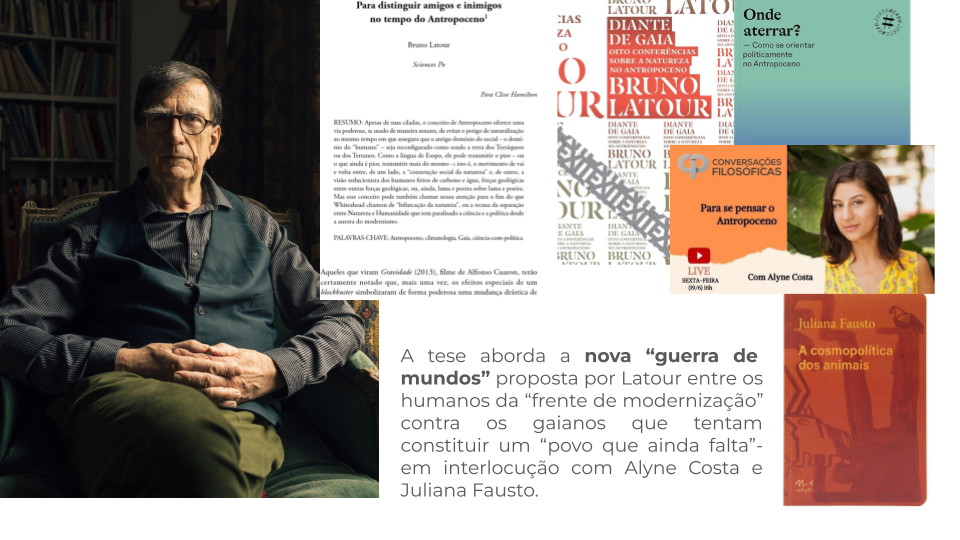
Também mobilizo na tese a obra de Latour, que propõe que há uma oposição entre os humanos e sua frente de modernização, que se opõe aos gaianos ou aos terranos que hoje tentam constituir um povo que ainda falta e que está buscando trazer à tona essa reviravolta de Gaia. Neste ponto do meu trabalho tenho uma grande dívida de gratidão e uma interlocução intensa com Aline Costa e com a Juliana Fausto, aqui presente, autora de A Cosmopolítica dos Animais.
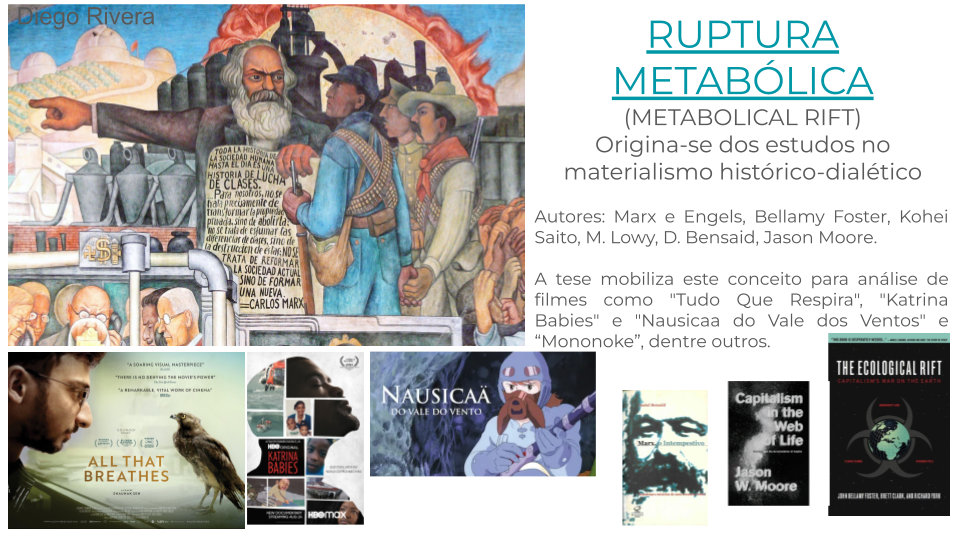
Na sequência, também utilizo o conceito de “ruptura metabólica” – um histórico dialético sobretudo com Marx e Engels, que no mundo contemporâneo tem sido atualizado por autores como Bellamy Foster, Kohei Saito, Löwy, Ben Saïd e Jason Moore. A tese mobiliza esse conceito para analisar filmes como Tudo que Respira, Katrina Babies e o anime de Miyazaki Nausicaä do Vale dos Ventos, tentando compreender como se dá essa ruptura ou fratura entre o trabalho humano tecnizado e a natureza radicalmente transformada pela nossa práxis.
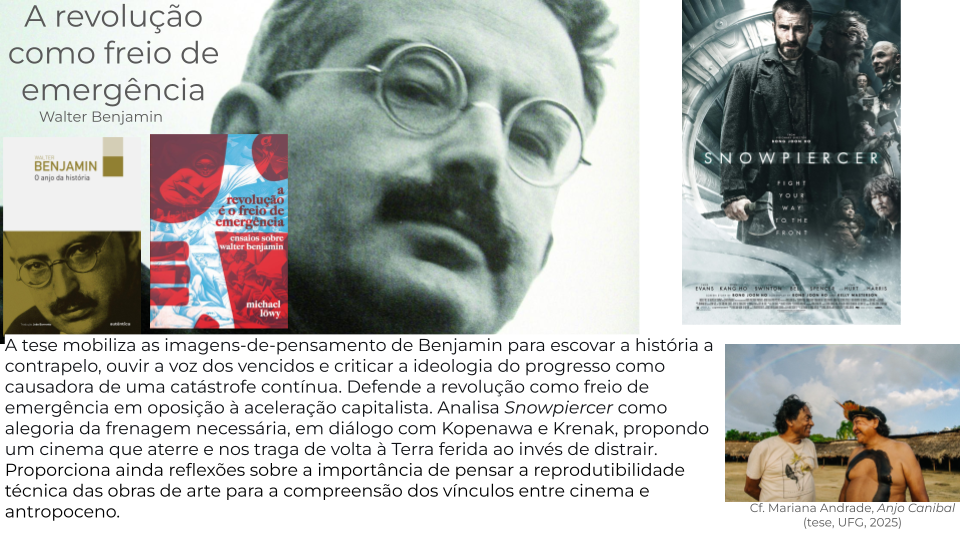
Na sequência, no capítulo Benjamin da tese, trabalho a questão da revolução como um freio de emergência. Então tento mobilizar as imagens de pensamento propostas por Walter Benjamin para escovar a história a contrapelo, ouvir a voz dos vencidos e criticar a ideologia do progresso como causadora de uma catástrofe contínua. A tese defende a revolução como freio de emergência, em oposição à aceleração capitalista. Nesse contexto, analiso Snowpiercer – Expresso do Amanhã, do cineasta sul-coreano Bong Joon-ho, como uma alegoria dessa frenagem necessária.
Também realizo uma interlocução com Kopenawa e com Ailton Krenak, propondo um cinema que aterre – que nos traga de volta a essa terra ferida, ao invés de nos distrair. Nesse ponto do trabalho, dialogo com a Mariana Andrade na sua tese Anjo Canibal, defendida aqui na UFG em 2025, também com orientação da professora Carla. E, através de Benjamin, também tento pensar a reprodutibilidade técnica das obras de arte como essencial para a compreensão dos vínculos entre cinema e Antropoceno.
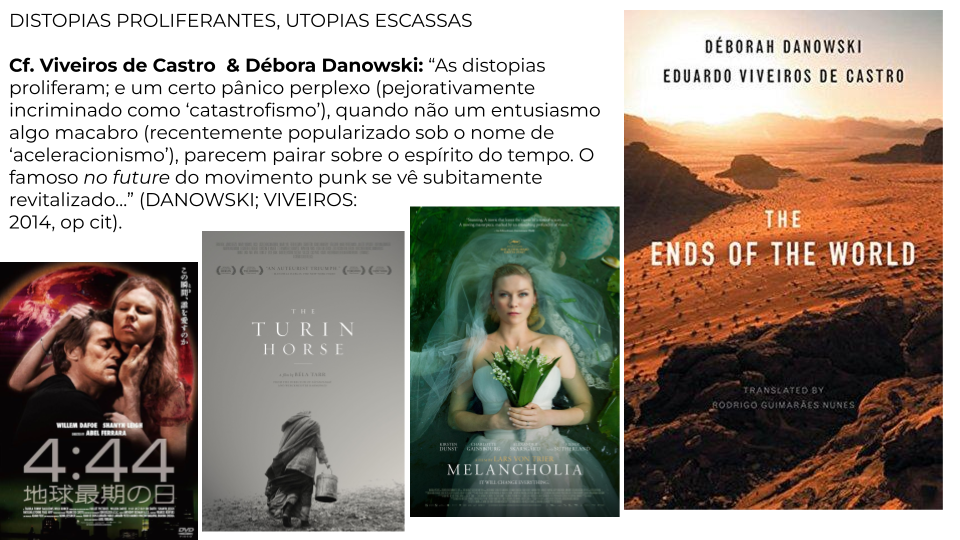
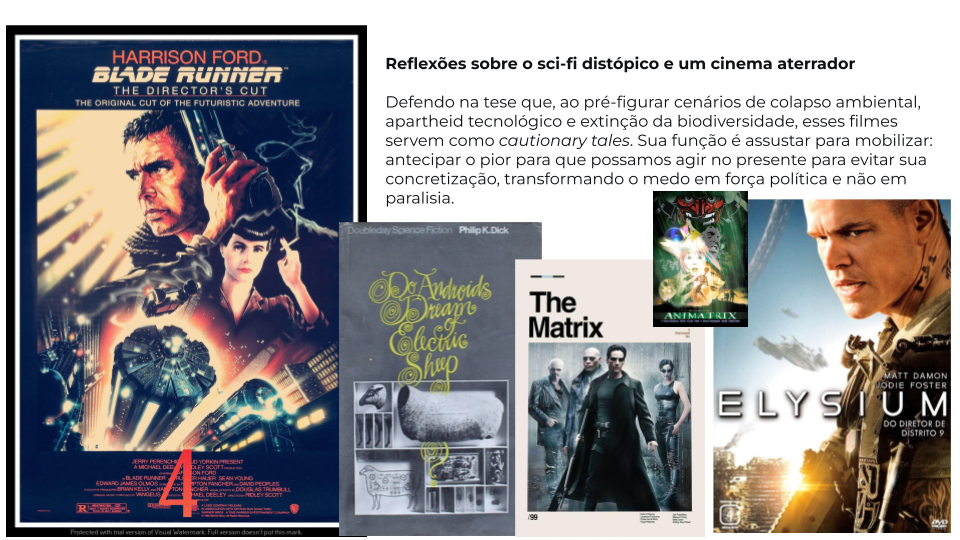
No cerne da tese, faço uma reflexão sobre um fenômeno cultural que é a proliferação de distopias numa época onde as utopias parecem escassas. Para reduzir a uma frase: é mais fácil imaginar o fim do mundo do que o fim do capitalismo, como diz Jameson e Mark Fisher. Então, seguindo algumas pistas abertas principalmente por Danowski e Viveiros de Castro no seu livro A Terra Por Vir, eu faço uma análise de obras como Cavalos de Turim de Béla Tarr e Melancolia de Lars von Trier, como representações de fins de mundo que o cinema tem nos colocado nessa proliferação de distopias em que estamos imersos. E também parto para uma análise de obras hoje canônicas da ficção científica distópica, como Blade Runner, da obra de Philip K. Dick, como exemplos de obras de um cinema aterrador.
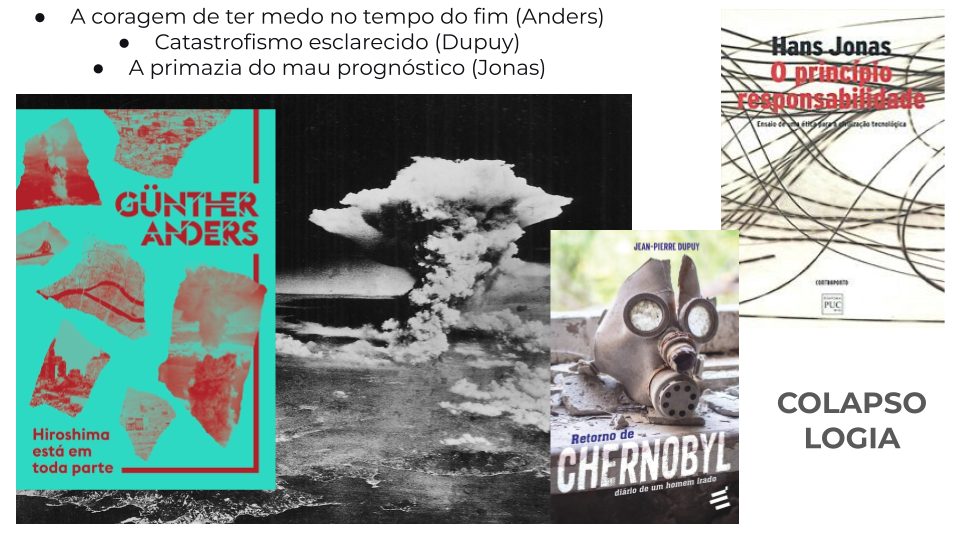
Eu tento construir a tese de que, ao prefigurar esses cenários terríveis de colapso ambiental, apartheid tecnológico, extinção de biodiversidade, esses filmes também servem como cautionary tales ou contos de alerta. A sua função é nos assustar para nos mobilizar. Ou seja, antecipar o pior para que possamos agir no presente para evitar sua concretização, transformando medo em força política e não em paralisia. Para construir essa tese eu também me escoro em alguns pensadores do campo, diria, da colapsologia – hoje também em franca ascensão. Destaco brevemente três aqui: Günther Anders fala da “coragem de ter medo” no tempo do fim, que seria o nosso. Também Jean-Pierre Dupuy, que é um pensador francês e que propõe a doutrina do catastrofismo esclarecido – que seria um novo Iluminismo que ele propõe para os nossos tempos de ameaça nuclear. E Hans Jonas, que fala da primazia do mal prognóstico no seu livro O Princípio Responsabilidade: ensaio de uma ética para a civilização tecnológica.
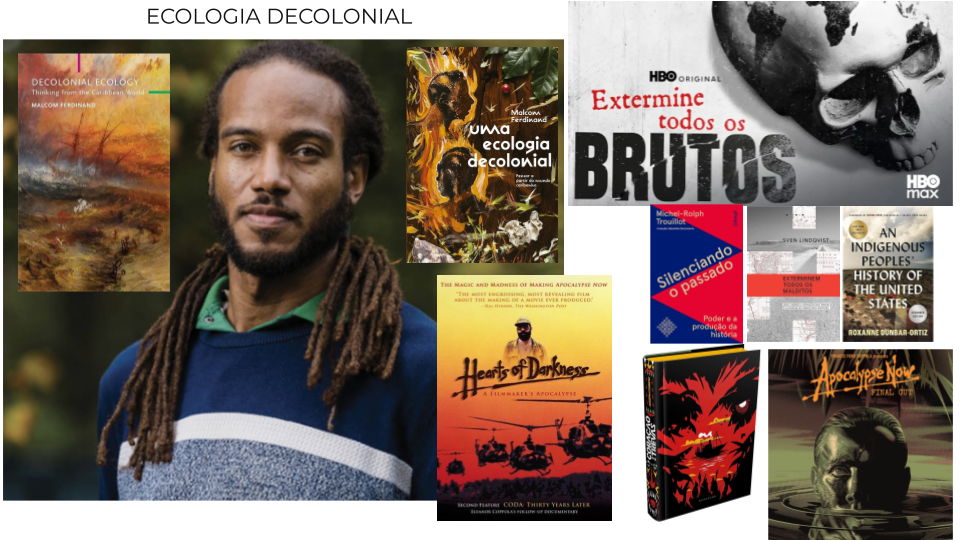
Quase terminando, mobilizo também a ecologia decolonial tal como proposta por Malcom Ferdinand a partir do mundo caribenho e, com essa chave de leitura, tento compreender algumas obras como Extermine Todos os Brutos, realizada pelo cineasta do Haiti Raoul Peck, e também faço um retorno a uma das obras-primas do cinema que é Apocalipse Now, de Francis Ford Coppola, e também me debruço um pouco sobre Hearts of Darkness, que é o filme sobre como foi feita a filmagem de Apocalipse Now nas Filipinas. De algum modo, também volto a Coração das Trevas de Joseph Conrad, uma das grandes obras literárias do século XX, para compreender também o que seria uma ecologia decolonial ou contracolonial, que propõe, digamos, aquilombar o debate sobre Antropoceno.
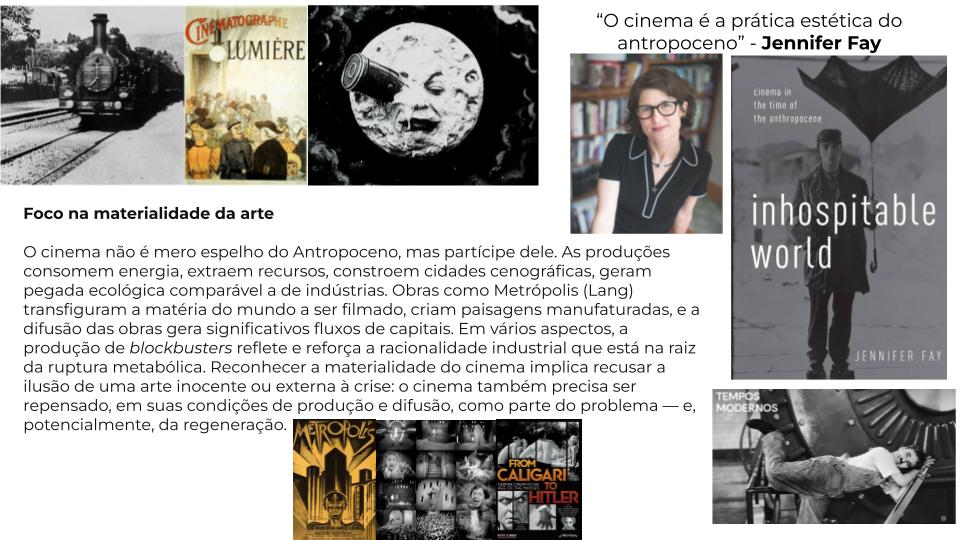
Tudo isso me conduziu, talvez, a um dos centros da tese: o fato de que o cinema é uma prática estética do Antropoceno das mais impactantes. Nisso eu me inspiro na obra de Jennifer Fay. No decorrer de toda a tese, procuro focar na materialidade da arte e do cinema, propondo que o cinema não é um mero espelho do Antropoceno, mas ele é partícipe dele. Porque as produções cinematográficas consomem energia, extraem recursos, constroem cidades cenográficas, geram pegada ecológica comparável à de indústrias. Obras como Metrópolis de Fritz Lang transfiguram a matéria do mundo para que ele seja filmado, geram paisagens manufaturadas. Além disso, a difusão das obras gera significativos fluxos de capitais. Em vários aspectos, a produção de blockbusters reflete e reforça a racionalidade industrial que está na raiz da ruptura metabólica. Então proponho que reconhecer a materialidade do cinema implica recusar a ilusão de uma arte inocente ou externa à policrise. E sugiro que o cinema também precisa ser repensado em suas condições de produção e difusão como uma parte do problema, mas também potencialmente como parte da regeneração dessa terra ferida e dessa biosfera degradada.
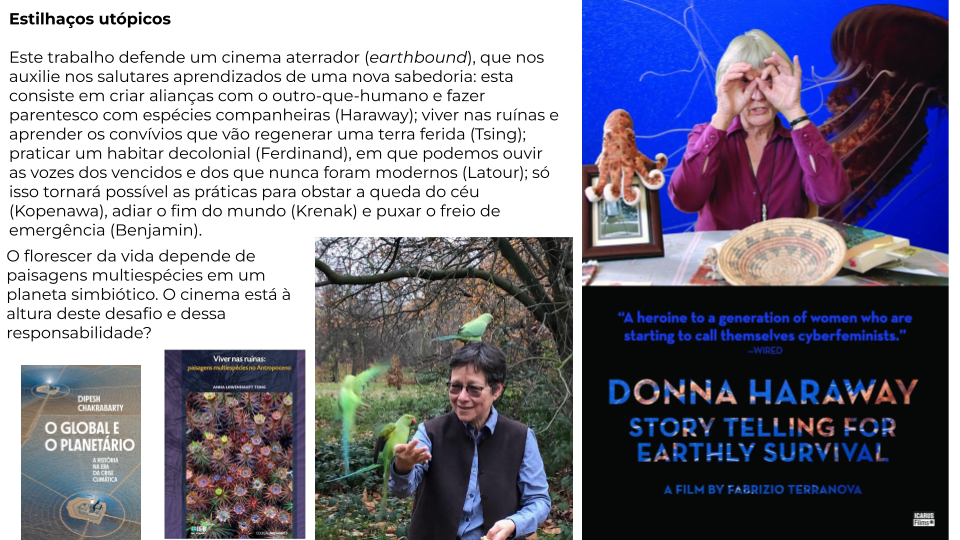
Chegando ao final: alguns estilhaços utópicos. O trabalho defende um cinema aterrador – que é a palavra que eu utilizei para traduzir earthbound – que nos auxilia a saltar os aprendizados de uma nova sabedoria. Ela consiste em criar alianças com o outro que humano, fazer parentesco com espécies companheiras, viver nas ruínas e aprender os convívios que vão regenerar uma terra ferida. Praticar um habitat decolonial em que podemos ouvir as vozes dos conhecidos e dos que nunca foram modernos. E só isso tornará possível aquelas práticas que vão obstar a queda do céu, adiar o fim do mundo e puxar o freio de emergência. Eu faço aqui uma homenagem, nesse parágrafo, a Haraway, a Anna Tsing, a Malcom Ferdinand, Bruno Latour, Davi Kopenawa, Ailton Krenak e Walter Benjamin – que foram alguns dos meus maiores companheiros de jornada. E termino perguntando: o florescer da vida depende de paisagens multiespécies em um planeta simbiótico. O cinema está à altura desse desafio e dessa responsabilidade?
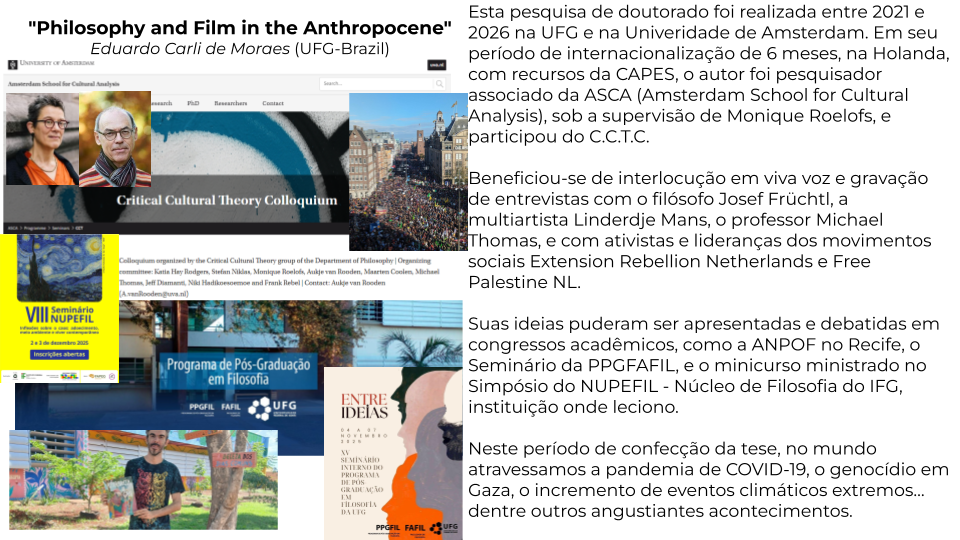
Eu termino aqui com dois slides falando sobre a própria feitura dessa tese nesses últimos anos. Essa pesquisa de doutorado foi realizada entre 2021 e 2026 aqui na UFG e na Universidade de Amsterdã. Nesse período de internacionalização de seis meses na Holanda, pude ser pesquisador associado na Amsterdam School for Cultural Analysis sob a supervisão da Monique Roelofs e pude participar de alguns eventos, como o Critical Culture Theory Colloquium. A tese se beneficiou de interlocução em viva voz e com gravação de entrevistas. As ideias também puderam ser apresentadas e debatidas em congressos como a ANPOF no Recife, o seminário aqui do PPG Fil, “Entre Ideias”, e também um minicurso ministrado no simpósio do NUPEFIL – Núcleo de Filosofia do Instituto Federal de Goiás, que é a instituição onde eu leciono.
Nesse período de confecção da tese, a palavra “distópico” esteve em toda parte, inclusive no noticiário, pois atravessamos a pandemia de Covid-19 com 7 milhões de óbitos no mundo, tivemos o genocídio em Gaza – ainda em curso –, o incremento de eventos climáticos extremos, e o Super El Niño vem aí também para não me deixar mentir, dentre outros angustiantes acontecimentos. Então foram tempos de velas turbulentos.
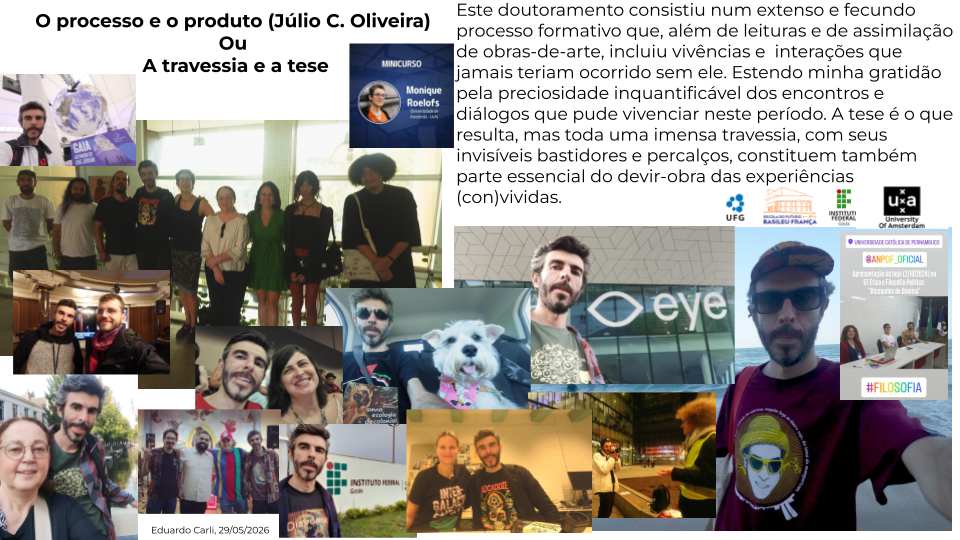
Eu termino numa chave um pouco mais pessoal, falando sobre o processo e o produto. Uma homenagem a diálogos que eu tive aqui com o geógrafo Júlio César Oliveira – ou que eu chamei também de “A Travessia e a Tese”. Este doutoramento consistiu num extenso e fecundo processo formativo que, além de leituras e de assimilação de obras-de-arte, incluiu vivências e interações que jamais teriam ocorrido sem ele. Estendo minha gratidão pela preciosidade inquantificável dos encontros e diálogos que pude vivenciar neste período. A tese é o que resulta, mas toda uma imensa travessia, com seus invisíveis bastidores e percalços, constituem também parte essencial do devir-obra das experiências (con)vividas.
Eu termino aqui a minha apresentação inaugural e passo a palavra então para os meus caros colegas aqui da banca: Juliana Fausto, Rodrigo Araújo, Felipe Lazzeri e Matheus Uchoa. Obrigado.
ACESSAR APRESENTAÇÃO DE SLIDES
SLIDES DA APRESENTAÇÃO INAUGURAL
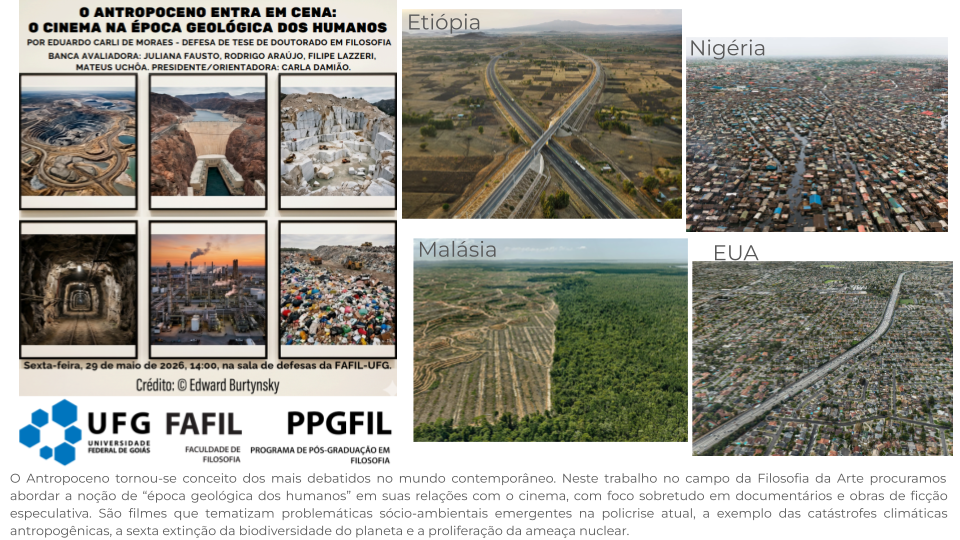
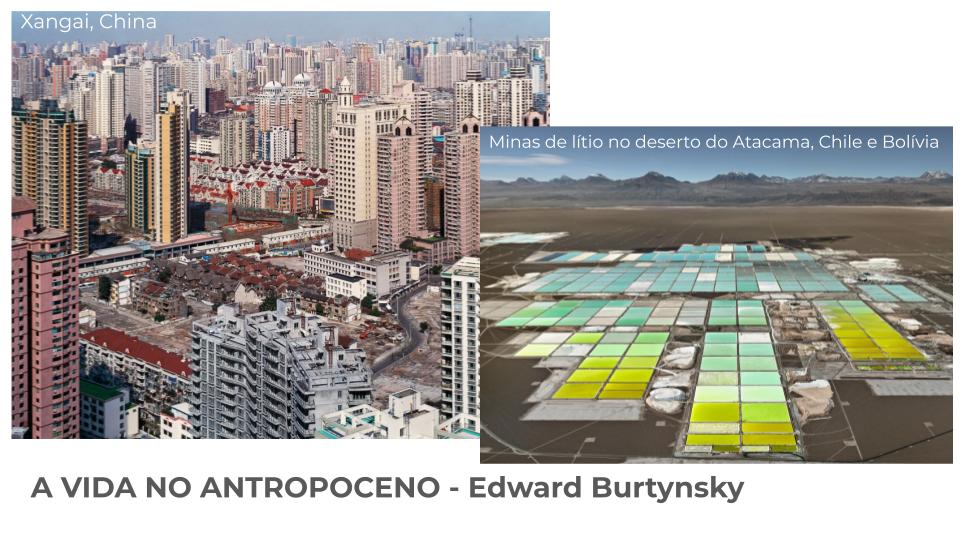
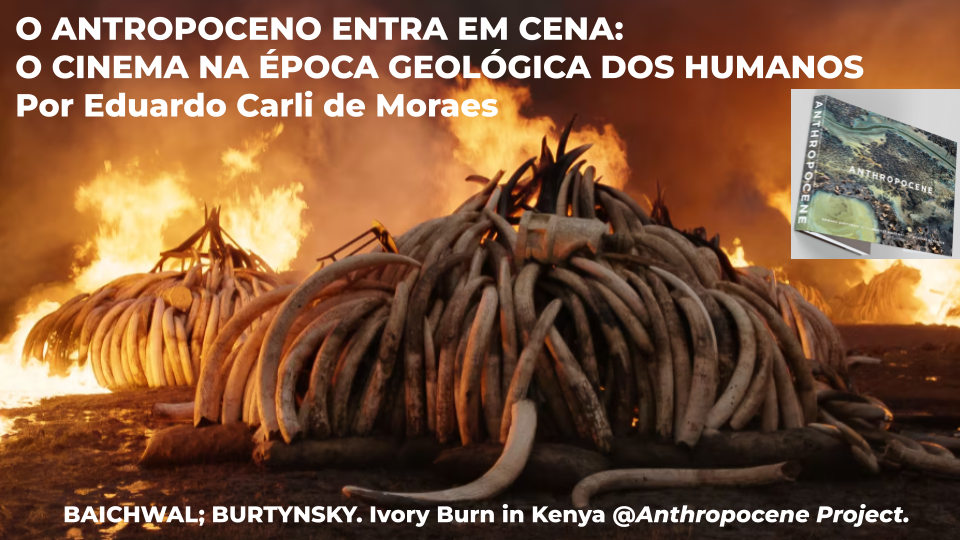
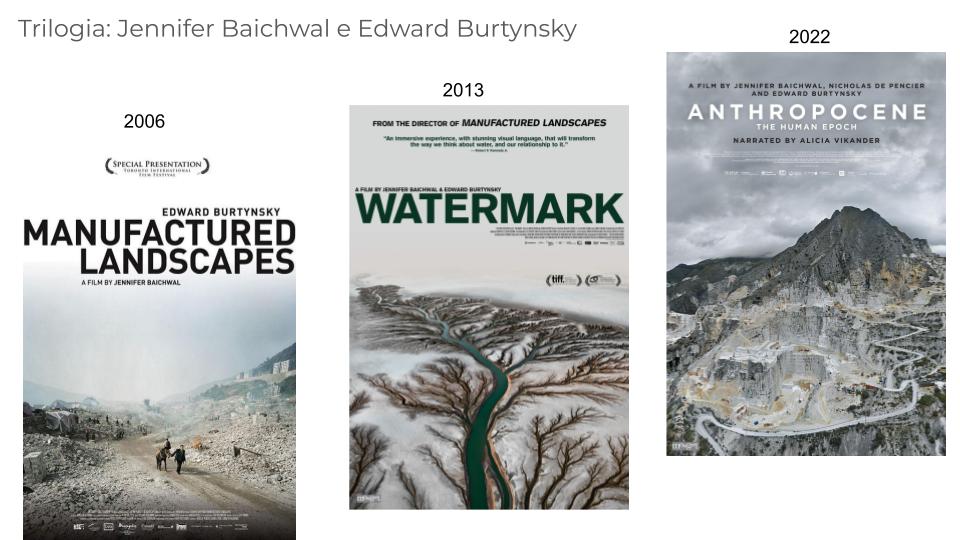
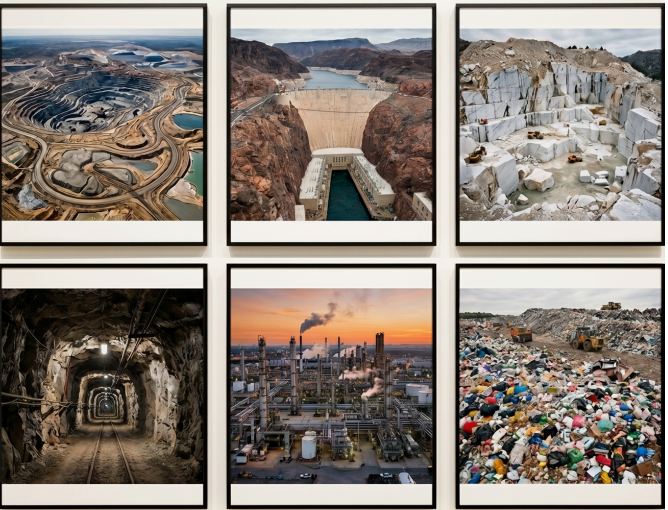
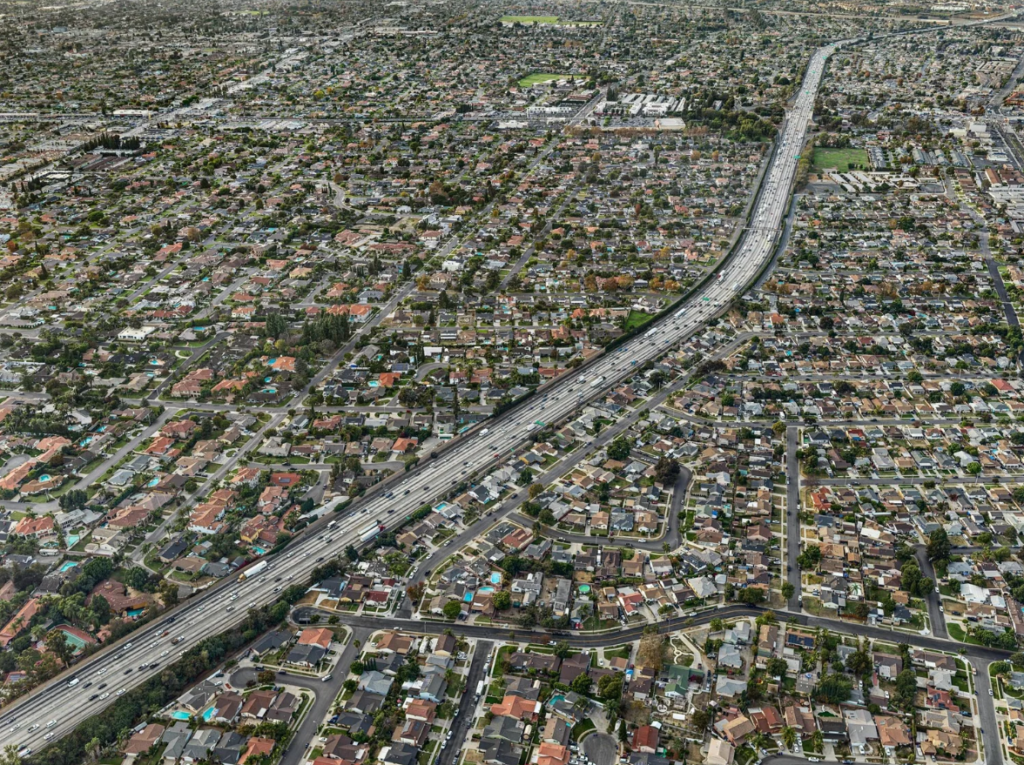
O card de divulgação foi realizado com 6 fotos de Edward Burtynsky, de sua série “Antropoceno”, um artista canadense que também é co-diretor, com Jennifer Baichwal, de uma trilogia de filmes sobre o tema da pesquisa: https://utppublishing.com/doi/abs/10.3138/cjfs-2023-0015.
No link a seguir, você pode acessar o website oficial deste fotógrafo e documentarista, de onde extraí as imagens selecionadas. Inclui também alguns textos interessantes de Burtynsky sobre as obras: https://www.edwardburtynsky.com/projects/photographs/anthropocene.
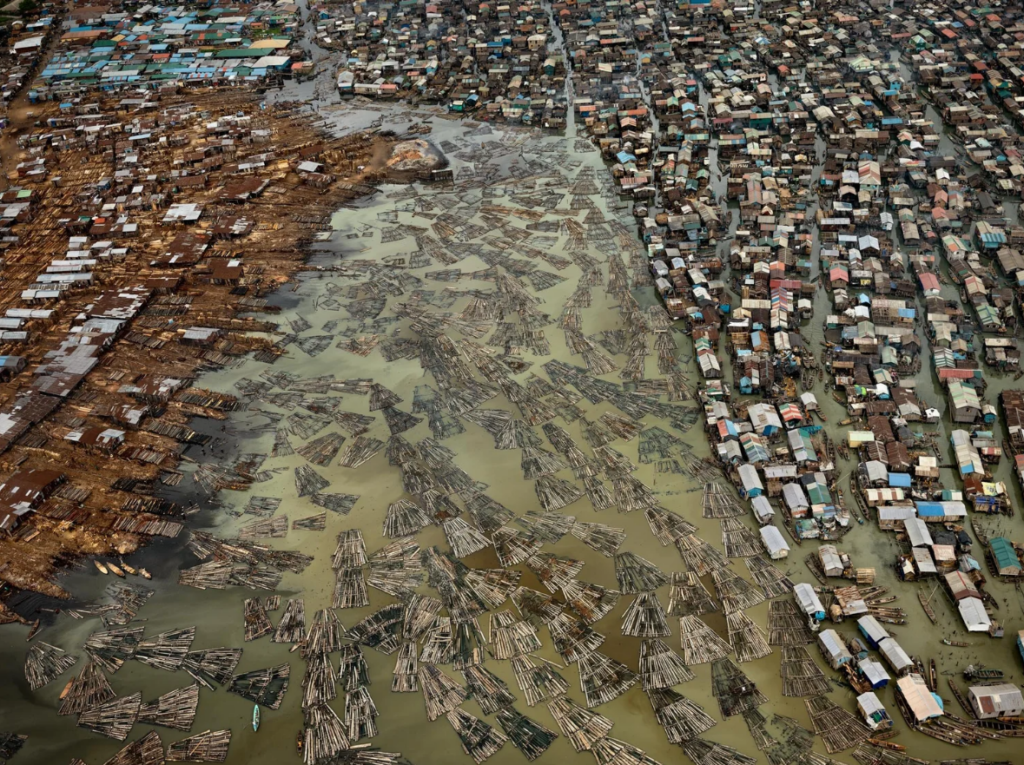
LIFE IN ANTHROPOCENE
Artist’s Statement
“My earliest understanding of deep time and our relationship to the geological history of the planet came from my passion for being in nature.
Our planet has borne witness to five great extinction events, and these have been prompted by a variety of causes: a colossal meteor impact, massive volcanic eruptions, and oceanic cyanobacteria activity that generated a deadly toxicity in the atmosphere. These were the naturally occurring phenomena governing life’s ebb and flow. Now it is becoming clear that humankind, with its population explosion, industry, and technology, has in a very short period of time also become an agent of immense global change. Arguably, we are on the cusp of becoming (if we are not already) the perpetrators of a sixth major extinction event. Our planetary system is affected by a magnitude of force as powerful as any naturally occurring global catastrophe, but one caused solely by the activity of a single species: us.
I have come to think of my preoccupation with the Anthropocene — the indelible marks left by humankind on the geological face of our planet — as a conceptual extension of my first and most fundamental interests as a photographer. I have always been concerned to show how we affect the Earth in a big way. To this end, I seek out and photograph large-scale systems that leave lasting marks.
As a collaborative group, Jennifer, Nick and I believe that an experiential, immersive engagement with our work can shift the consciousness of those who engage with it, helping to nurture a growing environmental debate.
We hope to bring our audience to an awareness of the normally unseen result of civilization’s cumulative impact upon the planet. This is what propels us to continue making the work. We feel that by describing the problem vividly, by being revelatory and not accusatory, we can help spur a broader conversation about viable solutions. We hope that, through our contribution, today’s generation will be inspired to carry the momentum of this discussion forward, so that succeeding generations may continue to experience the wonder and magic of what life, and living on Earth, has to offer.”
— Edward Burtynsky

Publicado em: 25/05/26
De autoria: Eduardo Carli de Moraes educarlidemoraes